For a long time, the Paleo diet drew people in with its clear rules and bold claims about eating like our ancestors. There was comfort in knowing exactly what was allowed and what was forbidden.
But lately, something’s changing. Conversations among nutrition experts are starting to reveal a quiet shift. The hard lines that once defined Paleo are beginning to blur, even if few want to say it out loud.
Foods once firmly off-limits are creeping back into meals, sometimes without much fanfare. If you thought Paleo was set in stone, it might be time to look again at how those rules are truly being lived out today.
Private doubts, public routines
Yet if you scroll through social feeds or join a Paleo group, you’ll still see meal prep photos lined up with precision, every ingredient carefully chosen. On the surface, it looks like nothing has changed—there’s talk of strict grain bans, dairy avoidance, and menu planning down to every last nut or seed.
But get a little closer, and you’ll hear something else. In quiet conversations, even the most dedicated Paleo followers admit to occasional exceptions—a bit of rice at a family dinner, a splash of cream in their coffee, maybe even a piece of bread on vacation. These admissions rarely make it to the public meal photos, but they’re there, woven into the reality of everyday life.
This hidden flexibility speaks to a larger shift. The urge to present a perfect Paleo image runs up against the messiness of real routines, family gatherings, or just plain cravings. People find ways to adapt, sometimes out of necessity, sometimes for social reasons, or simply because strict rules get exhausting over time.
It’s not so different from other areas of life where routines soften behind closed doors. As David Nugent, Football Betting Expert at stakehunters.com, points out, even the most committed sports fans and bettors adjust their habits in private, making room for exceptions when life demands it. The tension between how we want to be seen and what actually works is something anyone can recognize, even if few are talking about it openly.
Science opens the door to flexibility
That quiet gap between ideals and reality isn’t just a social phenomenon—it’s reflected in the research now, too. Over the past year, a wave of studies has started to poke holes in the idea that Paleo’s rules should be the same for everyone, all the time.
One of the most telling findings comes from a Paleo diet macronutrient study published in 2023, which showed that sticking to strict ranges for protein, fat, and carbs doesn’t actually work the same way for every person. Some thrive on high-protein days, while others see better results with more carbs or even occasional grains sneaking in.
This shift in thinking is changing how nutritionists and health experts talk about Paleo. Instead of pushing a single set of numbers or forbidden foods, there’s a growing push for personalized guidelines that fit a person’s health, activity, and even genetics.
It’s not about relaxing the rules out of laziness—it’s about responding to real differences in how bodies react, backed by data. As science keeps exploring these differences, people feel less pressure to follow rigid rules simply because “that’s how it’s always been.”
Now, flexibility is starting to look less like a cheat and more like the logical next step, supported by the evidence that diversity in diet isn’t just allowed, but often necessary.
Sustainability and the quiet case for relaxing
That shift in mindset isn’t just about what’s on your plate—it’s about whether you can keep eating this way for years, not just weeks. For many, sticking to every Paleo rule gets harder as life changes, whether that’s joining a new family, handling busy weeks, or just trying to stay connected at social gatherings.
Nutrition experts are starting to talk more openly about this. Recent reviews highlight that sustainability isn’t just about the environment—it’s about your own well-being and whether a diet actually fits your real life. When strictness leads to stress or makes someone feel left out at dinner, it’s no surprise the rules quietly start to bend.
Over time, foods that once would’ve sparked an argument in Paleo groups now show up without fuss. Maybe it’s a bit of dairy in a shared meal, or the occasional grain in a family recipe. These adjustments aren’t loud announcements, but practical changes that help people keep going without burning out.
This quieter, more flexible Paleo isn’t just a compromise. As explored in a recent Paleo diet health review, it’s rooted in the idea that staying healthy and connected matters just as much as following ancestral logic to the letter. Sometimes, the best way forward is finding what works for you—and letting that be enough.
How food choices change when the rules get softer
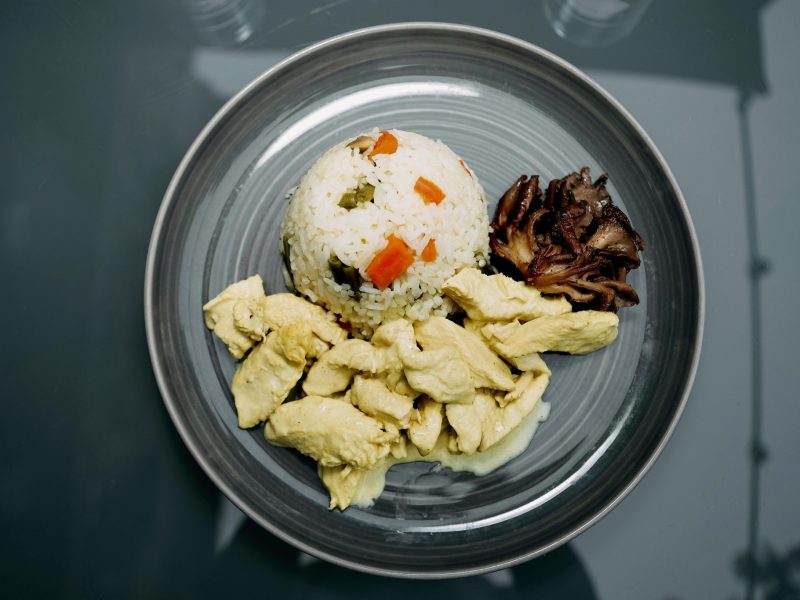
When keeping Paleo sustainable becomes the priority, what ends up on the plate shifts in subtle, sometimes surprising ways. Foods that once felt off-limits start to sneak in—a little rice at dinner, maybe some beans in a stew, or even a splash of milk in morning coffee.
Instead of sparking guilt, these moments often bring relief. People find themselves letting go of all-or-nothing thinking, and meals become more varied. It’s not about disregarding the core principles, but about adjusting them to fit real life—work schedules, family dinners, cravings, and changing needs.
Diversity actually grows as the rules soften. Rather than eating the same few things over and over, people are exploring new flavors and textures, and even revisiting foods they once avoided. That could mean adding different vegetables, or sampling new protein sources—like options outlined in Paleo-Friendly Proteins—to keep things interesting and nourishing.
For many, this approach feels less stressful and more sustainable over time. The focus shifts away from strict checklists and toward healthful choices that actually work with daily life, not against it. The Paleo label remains, but it’s being quietly redefined by the people living it.
Reflection: Adapting the spirit, not just the rules
This softer approach to Paleo isn’t a sign of failure—it’s a sign of maturity. People are realizing that honoring the spirit of eating well can matter more than strict rule-following.
The shift is showing up in honest check-ins about what truly works for health and happiness. Instead of measuring every bite against old standards, there’s more space for self-awareness and flexibility.
For some, that means taking small steps toward a healthier relationship with food, or adopting better routines inspired by resources like the Paleo Self-Care Guide. It’s about thriving, not just surviving, and maybe that’s the real heart of the change that’s happening—quietly, but surely.
Want to unlock greater wellness?
Listen to our friends over at the Wellness + Wisdom Podcast to unlock your best self with Dr. John Lieurance; Founder of MitoZen; creators of the ZEN Spray and Lumetol Blue™ Bars with Methylene Blue.






 Bacon Chili with Coffee – Instapot, Crockpot or Stovetop