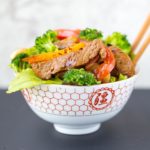

For years, dairy-based protein powders have been a common choice among athletes and fitness enthusiasts. But a growing number of people following paleo-inspired lifestyles are looking beyond conventional protein powders and exploring animal-based alternatives such as beef protein isolate.
Whether that shift is driven by dairy sensitivity, closer scrutiny of ingredient labels, or simply a desire to diversify protein sources, beef protein has emerged as an interesting option. For anyone following a whole-food-focused lifestyle, understanding how it is made and how it fits into an overall diet is important.
The Paleo Philosophy and Protein Supplementation
The paleo framework is relatively straightforward at its core: prioritize foods such as animal proteins, vegetables, fruits, nuts, and seeds while limiting many highly processed foods, grains, and other ingredients that weren’t traditionally part of an ancestral diet.
Supplements, however, occupy something of a middle ground. Protein powder obviously wouldn’t have existed thousands of years ago, regardless of how simple its ingredient list may be.
Where Supplements Fit in a Whole-Food-First Lifestyle
Many people following a paleo or whole-food-focused diet treat supplementation as a practical tool rather than the foundation of their nutrition.
Whole foods come first, but consistently meeting higher protein requirements entirely through prepared meals can be challenging, particularly for athletes, active individuals, or people with busy schedules.
For that reason, some consumers look for protein supplements with relatively simple formulations, minimal unnecessary ingredients, and protein derived from familiar food sources.
This increased attention to ingredient labels has helped create interest in alternatives such as beef protein.
What Sets Beef Protein Apart from Conventional Options
Breaking Down the Ingredient Panel
Beef protein isolate is produced by processing beef to create a concentrated source of protein while removing much of the fat and other components naturally present in whole beef.
One of its most notable characteristics is that it provides an animal-derived protein source without relying on dairy. This makes beef protein particularly interesting for people who prefer to avoid dairy or simply want another option in their protein rotation.
As with any supplement, however, the specific product matters. Formulations, processing methods, flavoring systems, and additional ingredients can vary considerably between brands.
Looking for straightforward ingredient lists and transparent product information can therefore make comparing different options easier.
Amino Acids in Animal-Based Proteins
Animal-derived proteins generally provide essential amino acids required by the body, including those involved in maintaining and building muscle tissue.
For active people, the overall dietary picture remains important. A protein supplement is most useful when it helps complement an otherwise balanced diet and makes it easier to consistently meet individual protein requirements.
Rather than viewing one protein source as inherently superior to every other option, beef protein can simply provide another way to diversify dietary protein intake.
Why Beef Protein Appeals to Dairy-Free Consumers
One of the clearest reasons people explore beef protein is its dairy-free nature.
Some consumers choose to limit dairy because of personal preference, digestive tolerance, or the way dairy products fit into their individual eating pattern. In these cases, finding an animal-based protein powder can otherwise be difficult.
Beef protein provides an alternative for people who still want an animal-derived protein source without using a dairy-based powder.
This can also make it useful for people who have already tried plant-based proteins but prefer the characteristics of an animal-derived option.
What to Look for in a Beef Protein Powder
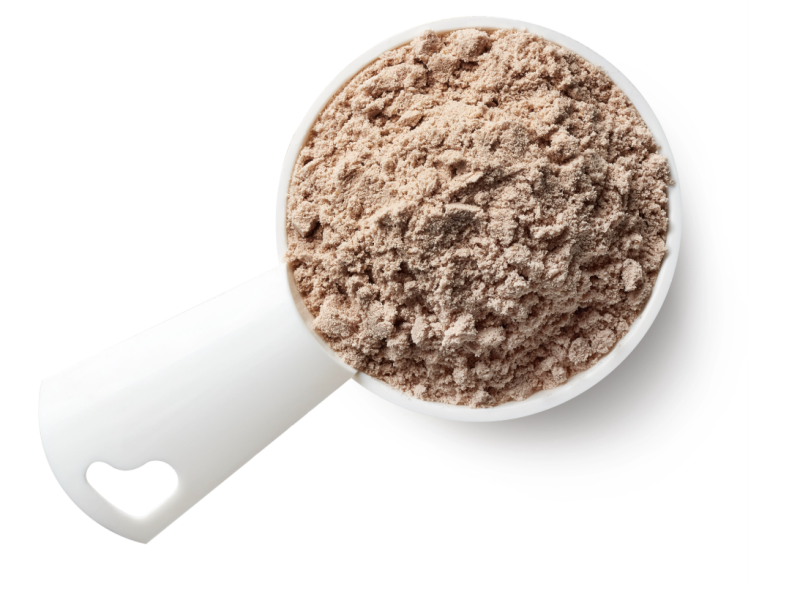
Start With the Ingredient List
Protein powders can vary significantly in formulation, so the front of the package shouldn’t be the only thing guiding your decision.
Start by checking the ingredient panel. Ideally, the protein source should be clearly identified and the purpose of additional ingredients should be easy to understand.
Depending on personal dietary preferences, some consumers may also want to look for products without artificial sweeteners, unnecessary fillers, or overly complicated flavor systems.
Consider How You’ll Actually Use It
The best protein powder is ultimately one you’ll use consistently.
An unflavored option can offer flexibility because it can be incorporated into both sweet and savory foods. Flavored versions, on the other hand, may be convenient for shakes, smoothies, and baking.
Products such as [Naked Beef Protein](INSERT-NAKED-BEEF-URL) provide another option for consumers interested in incorporating beef-derived protein into their routine without relying on traditional dairy-based protein powders.
When choosing any supplement, consider the complete nutrition information, ingredients, serving size, and how the product fits within your overall diet.
Practical Ways to Incorporate Beef Protein into Your Routine
Think Beyond the Protein Shake
Protein powder doesn’t have to mean drinking the same shake every day.
Beef protein can potentially be incorporated into a variety of foods depending on the particular formulation and flavor.
An unflavored powder, for example, can be added to smoothies alongside fruit, nut butter, or other ingredients. It can also be experimented with in baked goods and other recipes where additional protein is desired.
Flavored varieties may work particularly well in recipes such as:
- Protein pancakes
- Muffins
- Baked oatmeal
- Homemade protein bars
- Smoothie bowls
- Energy bites
- High-protein desserts
When baking with protein powder, remember that it can affect both moisture and texture. Rather than replacing all of the flour in a recipe, it is usually better to start with a smaller amount and adjust the liquid ingredients as needed.
Building a High-Protein Paleo-Inspired Diet
Protein powder should complement whole foods rather than replace them.
A paleo-inspired diet can include numerous protein-rich foods, including beef, poultry, fish, seafood, and eggs. Nuts and seeds can contribute smaller amounts as well.
A protein supplement can then fill practical gaps when preparing another complete meal isn’t convenient.
For example, someone might eat eggs with vegetables for breakfast, chicken and salad for lunch, beef and roasted vegetables for dinner, and use a serving of protein powder in a smoothie or snack to help meet their individual protein target.
This approach keeps whole foods at the center of the diet while using supplementation for convenience.
Is Beef Protein Worth Considering?
Beef protein isn’t necessary simply because someone follows a paleo lifestyle. Plenty of people can meet their protein requirements entirely through food.
Its appeal is primarily about choice and convenience.
For people looking for an animal-derived protein powder while avoiding dairy, beef protein provides an additional option. It can also offer variety for consumers who don’t want to rely exclusively on one type of protein supplement.
As with most aspects of nutrition, the broader diet matters more than any individual powder.
Start with whole foods, pay attention to the ingredient list, and choose supplements based on your dietary needs, preferences, and lifestyle.
Beef protein may be relatively new to many people’s supplement shelves, but its combination of convenience, versatility, and dairy-free animal protein helps explain why it’s gaining attention among paleo and whole-food-focused consumers.