
Resources for Preparing Your Home for an Elder Move-In
Welcoming an elderly family member into your home requires thoughtful preparation to ensure their comfort and safety. Modifying your home to meet the needs of an older adult can be a rewarding process, but knowing where to start can be overwhelming. By taking proactive steps to create a safe and accessible environment, you can help your loved one maintain their independence and dignity. Keep reading to discover valuable resources and practical tips to prepare your home for an elder move-in.
Assessing Your Home for Elder Safety and Accessibility

The first step in preparing your home for an elderly family member is to assess its current state. Consider potential trip hazards, such as loose carpets or uneven flooring, which can pose a significant risk. You’ll also want to evaluate the accessibility of essential areas like the bedroom, bathroom, and kitchen. Are doorways wide enough for a walker or wheelchair? Is there sufficient lighting throughout the home?
Don’t overlook the outdoors; entryways into your home should be easily accessible. Ramps may be needed in place of stairs, and handrails can provide additional support. You might also want to think about the accessibility of the garden or yard, creating safe walkways and sitting areas. Remember that simple changes can greatly enhance safety and mobility for your loved one.
Professional services like Douglas Mechanical in Houston TX, which specializes in HVAC solutions, can provide expert assessments and solutions. These companies can identify potential problems you might miss and recommend cost-effective modifications. If you’re not sure where to start, bringing in a professional can provide peace of mind and ensure you’re creating the safest possible environment.
Planning for Ongoing Care: Resources and Tips for a Smooth Transition
The transition to living with an elderly family member is not just about the physical environment; you must also consider ongoing care needs. If you’re not available to provide daily assistance, in-home care services can offer the necessary support. From personal care to medication management, professional caregivers can help maintain a good quality of life for your loved one.
Transportation is an important consideration for seniors who no longer drive. Services such as Lyft for seniors can provide convenient and safe travel options for errands, appointments, or social outings. This service can greatly enhance a senior’s feeling of independence and prevent isolation.
Integrating Medical Alert Systems and Assistive Technologies

Medical alert systems can be lifesavers, offering seniors a way to call for help with the push of a button. These systems come in various forms, from wearable pendants to wall-mounted devices, each designed to ensure that help is readily available in case of an emergency. Some systems are even equipped with fall detection, which automatically alerts a monitoring center if the wearer falls.
Assistive technologies can further increase a senior’s autonomy and safety. Consider smart home devices that allow them to control lights, thermostats, and other home appliances through voice commands or a smartphone app. These intelligent systems reduce the need for physical exertion and can be particularly useful for individuals with mobility or dexterity issues.
When selecting assistive technology, involve your loved one in the decision-making process. It’s important that they feel comfortable and confident in using these devices. Take time to educate them on how to use new technologies and ensure that they understand their benefits. A gradual introduction may be necessary to avoid overwhelming them with too many changes at once.
Creating a Senior-Friendly Bathroom: Features to Consider
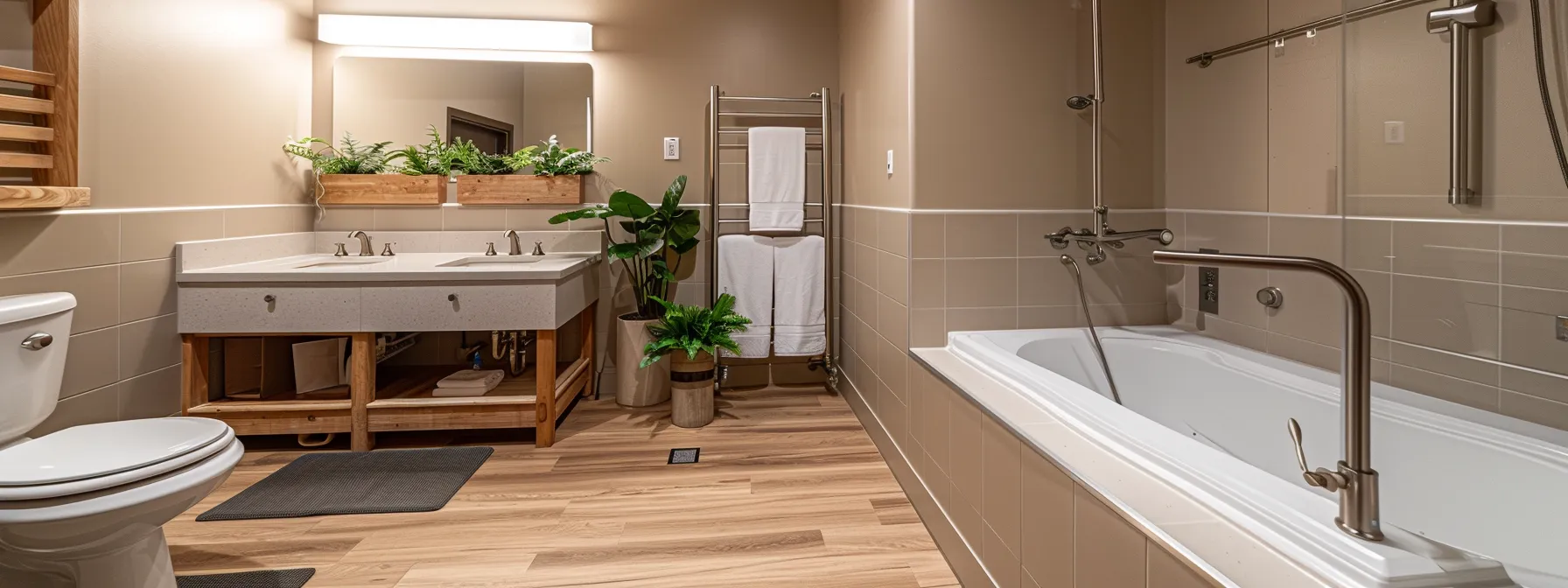
The bathroom is often the most hazardous room in the home for seniors, but it can also be the most adaptable to their needs. Installing grab bars by the toilet and in the shower can prevent falls. A raised toilet seat or one with armrests can make sitting down and standing up easier, offering additional support where needed.
Vanity and sink areas should also be modified for ease of use. Leverage faucet handles that are easy to turn or touchless faucets that can be operated with a simple motion can aid those with arthritis or other hand mobility issues. Bright, non-glare lighting around the mirror will improve visibility for grooming and self-care tasks.
Overall, preparing your home for an elder move-in requires careful planning and thoughtful consideration of their needs and preferences. By focusing on safety, comfort, and independence, you can create an environment that supports them in this new chapter of their lives.





 Bacon Chili with Coffee – Instapot, Crockpot or Stovetop
