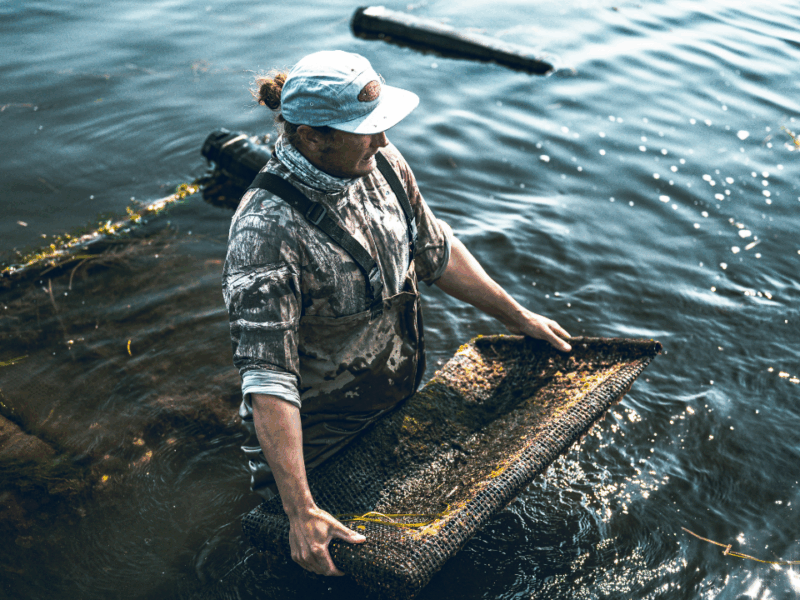
In a groundbreaking approach to marine resource management, Pacific Seafood is transforming traditional oyster farming from a mere food production activity into a sophisticated ecological restoration strategy. Recent research reveals that the company’s oyster farms are not just producing high-quality shellfish, but are actively contributing to coastal ecosystem health, challenging conventional perceptions of aquaculture’s environmental impact.
The Unexpected Ecological Benefits of Oyster Farming
Eelgrass and Biodiversity
Contrary to historical concerns about aquaculture disrupting marine habitats, Pacific Seafood’s research demonstrates that their oyster farming practices are creating unexpected positive interactions with coastal ecosystems. Specifically, studies have shown that strategically managed oyster farms can actually enhance eelgrass density and provide critical habitat support for local wildlife.
Shorebird Population Dynamics
Remarkably, the company’s CSR (Corporate Social Responsibility) reports indicate that oyster farms are providing significant benefits to shorebird populations. The structured environment of oyster beds creates unique foraging opportunities, effectively transforming these agricultural spaces into dynamic ecological zones.
Scientific Insights and Environmental Interactions
Nutrient Management and Ecosystem Balance
Pacific Seafood’s approach goes beyond traditional aquaculture practices. By implementing carefully designed farming methods, they are actively managing coastal nutrient cycles. Oysters, natural filter feeders, play a crucial role in water purification, removing excess nutrients and improving overall marine ecosystem health.
Research-Driven Sustainability
The company’s commitment to scientific research is evident in its collaborative efforts with marine biology research institutions. These partnerships focus on understanding the complex interactions between oyster farming, marine vegetation, and wildlife populations.
Regulatory Compliance and Environmental Leadership
Exceeding Standard Requirements
Pacific Seafood has positioned itself as an environmental leader in the aquaculture industry. By proactively developing farming practices that not only meet but exceed environmental regulations, the company is setting new standards for sustainable seafood production.
Mission 31: A Comprehensive Sustainability Strategy
The company’s Mission 31 represents an ambitious commitment to holistic environmental stewardship. This strategic framework integrates ecological considerations into every aspect of their aquaculture operations, demonstrating that economic productivity and environmental conservation can coexist harmoniously.
Economic and Ecological Synergy
Long-Term Environmental Benefits
The research highlights several key environmental advantages of Pacific Seafood’s approach:
- Enhanced coastal biodiversity
- Improved water quality through natural filtration
- Potential carbon sequestration
- Support for native wildlife populations
Economic Implications
By integrating ecological considerations into their business model, Pacific Seafood is not just protecting the environment but also creating long-term economic resilience. Their approach demonstrates that sustainable practices can drive innovation and competitive advantage.
Expanding Ecological Understanding
Ongoing Research and Innovation
Pacific Seafood continues to invest in research that deepens our understanding of marine ecosystem interactions. Their work represents a critical bridge between food production and environmental conservation, offering a model for sustainable aquaculture worldwide.
Key Takeaway: Pacific Seafood is demonstrating that modern aquaculture can be a powerful tool for ecological restoration, challenging traditional perceptions and setting new standards for sustainable food production.
Disclaimer: This article is based on Pacific Seafood‘s corporate reports, scientific research, and publicly available information.
Want to unlock greater wellness?
Listen to our friends over at the Wellness + Wisdom Podcast to unlock your best self with Dr. John Lieurance; Founder of MitoZen; creators of the ZEN Spray and Lumetol Blue™ Bars with Methylene Blue.





 Why You Get To Decide What Aging Looks Like
