
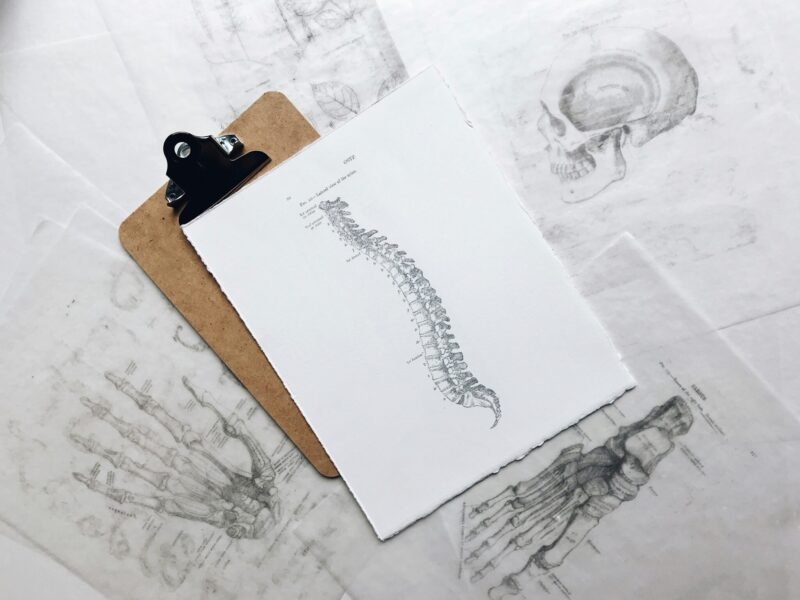
Modern living is extremely hard on the human spine because our bodies evolved for movement and variety. Modern life has created an environment that challenges the human body in ways it was never designed to handle, especially when it comes to spinal health. Many people experiencing daily discomfort eventually search for answers from a spine pain specialist, often without realizing how deeply everyday habits contribute to ongoing issues. The human spine evolved for movement, variation, and resilience, yet modern routines frequently demand stillness, repetition, and unnatural positioning.
The Shift From Natural Movement to Prolonged Sitting
For most of human history, daily life involved constant low-level movement such as walking, lifting, squatting, and resting on the ground. These varied motions helped distribute load across the spine and kept muscles active and responsive. In contrast, modern living often requires sitting for hours at a time, which places sustained pressure on the lower spine and reduces natural spinal motion.
Prolonged sitting also weakens core and postural muscles that support the spine. When these muscles become underused, the spine absorbs more strain during even simple movements. Over time, this imbalance increases stiffness, discomfort, and vulnerability to spine pain.
Technology and the Forward Head Posture Problem
The rise of computers, smartphones, and tablets has changed how people hold their bodies throughout the day. Many individuals spend hours with their head tilted forward, shoulders rounded, and upper spine flexed. This posture significantly increases the load on the neck and upper back, even though it feels subtle in the moment.
As the head shifts forward, the muscles and joints of the cervical spine must work harder to maintain balance. This repeated strain can lead to chronic tension, reduced mobility, and discomfort that radiates through the shoulders and upper spine. Over time, these postural habits become ingrained and harder to correct without intentional effort.
Reduced Physical Variety in Daily Life
Another challenge of modern living is the lack of movement variety. Many jobs require the same posture and motions day after day, limiting the spine’s ability to adapt and stay flexible. The spine thrives on change, responding best to alternating loads and positions rather than repetitive stress.
When movement patterns become repetitive, certain areas of the spine become overloaded while others remain underused. This imbalance disrupts the natural coordination between joints and muscles. As a result, even minor activities can trigger discomfort because the spine is no longer evenly conditioned.
Convenience Culture and Weak Support Systems
Modern convenience has reduced the need for physical effort in daily tasks. Elevators replace stairs, cars replace walking, and automated tools replace lifting and carrying. While these conveniences save time, they also reduce opportunities for natural muscle strengthening that supports the spine.
Without regular engagement, stabilizing muscles weaken and coordination declines. The spine then relies more on passive structures such as discs and ligaments for support. This shift increases the likelihood of stiffness, strain, and long term spine pain that develops gradually rather than suddenly.
Stress and the Nervous System Connection
Modern life is not only physically demanding but also mentally stressful. Chronic stress affects muscle tension, breathing patterns, and overall movement quality. When stress levels remain high, muscles around the spine tend to stay tight, limiting circulation and flexibility.
Over time, this constant tension reduces the spine’s ability to move freely. Restricted movement leads to discomfort and makes the body more sensitive to everyday loads. Addressing spine health, therefore, often requires understanding both physical habits and the role of stress in maintaining muscle tension.
Relearning Movement for a Modern World
Although modern living presents challenges, the spine remains adaptable. Small changes such as frequent posture shifts, intentional movement breaks, and mindful use of technology can significantly reduce strain. Reintroducing natural movements into daily routines helps restore balance and resilience in the spine.
Understanding how modern habits affect spinal health allows individuals to make informed choices. Education plays a key role in recognizing early signs of strain and seeking appropriate guidance. Resources like those provided by My Spine Associates help people better understand spine pain and how lifestyle factors contribute to it.
Modern living may be demanding on the human spine, but awareness is the first step toward improvement. By acknowledging how daily routines influence posture, movement, and muscle balance, individuals can take proactive steps to protect spinal health. With thoughtful adjustments and informed care, the spine can remain strong and functional even in a modern world.
Want to unlock greater wellness?
Listen to our friends over at the Wellness + Wisdom Podcast to unlock your best self with Dr. John Lieurance; Founder of MitoZen; creators of the ZEN Spray and Lumetol Blue™ Bars with Methylene Blue.






 How Better Sleep Supports Fat Loss, Muscle Recovery, and Hormonal Balance
