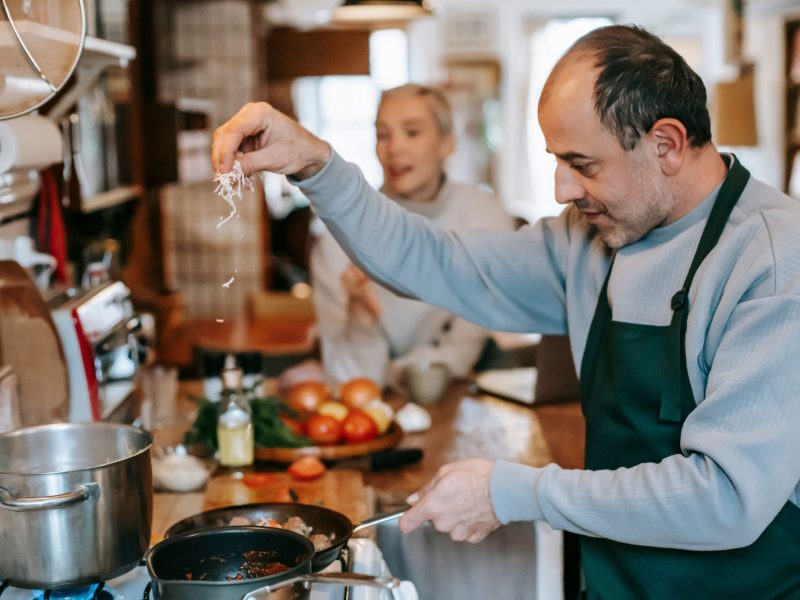
Recovery is often described in terms of therapy, support groups, and willpower. The kitchen rarely gets a mention, yet what happens there every day can quietly support healing. Preparing a meal gives structure to the day, a sense of accomplishment, and a way to take care of yourself with your own hands. You do not need to be a skilled cook to benefit. A few simple routines are enough.
Why the Kitchen Matters in Recovery
During periods of heavy substance use, regular meals often fall by the wayside. Eating becomes irregular, and the habit of caring for your body fades. Rebuilding that habit is a gentle way to practice self-respect. Each meal you plan and prepare is a small, concrete act of care.
Cooking also fills time. In early recovery, unstructured hours can feel uncomfortable, and having a clear task, such as preparing dinner, helps the day feel more manageable.
Start Simple and Keep It Realistic
There is no need to overhaul everything at once. Try one or two easy goals:
- Eat meals at roughly the same times each day
- Keep a few quick, familiar recipes on hand
- Stock the kitchen with basics you actually enjoy
- Prepare one meal in advance for a busy day
Consistency matters more than variety. A simple meal you make regularly is worth more than an ambitious plan you abandon after a week.
Make a Plan Before You Shop
Walking into a store hungry and tired makes impulsive choices more likely. A short weekly plan helps. Write down a few meals, check what you already have, and shop with a list. Having ingredients at home also removes the pressure of deciding what to eat in the moment.
Pay Attention to How You Feel
Everyone’s body responds differently, especially in the weeks after stopping a substance. Some people notice changes in appetite, energy, or cravings for certain foods. These shifts are common and usually settle with time. Rather than following a strict rulebook, notice what leaves you feeling steady and what does not. If you have specific dietary questions, a doctor or registered dietitian can offer guidance tailored to your health.
Let Cooking Be a Calming Ritual
Chopping vegetables, stirring a pot, or setting the table can become a quiet moment of focus. Play music you like, or try cooking without screens for a few minutes. Many people find that this kind of simple, hands-on activity eases stress and gives their mind a break.
Cook With Others When You Can
Sharing a meal builds connection, which is a key protector in recovery. Invite a friend or family member to cook together, or join a community meal if one is available. Eating with others also makes it easier to stick with regular meal times.
Structure Helps in the Early Stages
When daily life feels chaotic, a supportive setting can make healthy routines easier to build. Some residential treatment programs build regular, balanced meals into the daily schedule, which gives people a chance to practice steady habits before taking them home.
Keep Your Care Team in the Loop
Questions about eating, sleep, and energy are worth raising with your providers. Organizations offering a full continuum of care can coordinate medical and therapeutic support across different stages, so you can bring these questions to a team that knows your full picture.
Be Patient With Yourself
Some days the kitchen will feel inviting, and other days a simple sandwich is a win. Both are fine. The goal is not perfect meals. It is building a habit of caring for yourself that lasts.
The Bottom Line
Cooking will not replace treatment, but it can be a steady companion to it. Regular meals, simple routines, and the pride of preparing something yourself all support the larger work of recovery. Start small, stay consistent, and let the kitchen become one more place where you practice taking care of you.
This article is for general informational purposes and is not medical or nutritional advice. Please consult a healthcare provider or registered dietitian about your specific needs.
Want to unlock greater wellness?
Listen to our friends over at the Wellness + Wisdom Podcast to unlock your best self with Dr. John Lieurance; Founder of MitoZen; creators of the ZEN Spray and Lumetol Blue™ Bars with Methylene Blue.





 Why At-Home IV Therapy Is Becoming a Convenient Wellness Option in Westchester County

