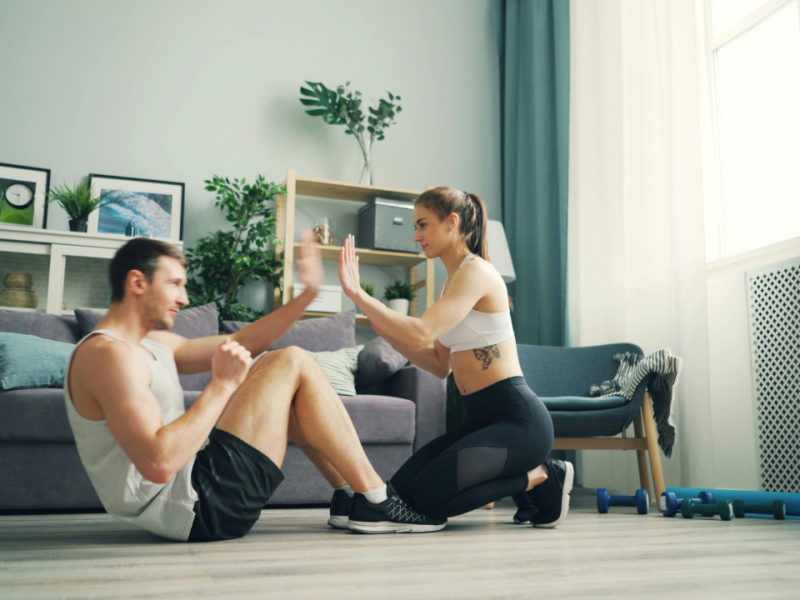
There was a time when “working out at home” meant a yoga mat, maybe a pair of dusty dumbbells, and a lot of guessing. Are you doing that move right? Is your posture okay? Are you pushing too hard… or not enough?
Now? It’s a completely different story.
Thanks to connected fitness technology, home workouts have quietly become smarter, safer, and—honestly—a lot more reassuring. And what’s really interesting is how this shift isn’t just for fitness enthusiasts or tech lovers. It’s helping everyone, especially older adults, feel more confident moving their bodies at home.
Let’s talk about how it all comes together.
It’s Not Just Devices Anymore — It’s an Ecosystem
The biggest change isn’t just better gadgets. It’s how everything talks to each other.
Your smartwatch tracks your heart rate. Your treadmill adjusts speed based on your pace. Your app collects all that data and gently nudges you—“Hey, maybe slow it down today” or “You’re ready to go a bit further.”
That’s the real magic.
Instead of isolated tools, you now have a connected system that works together like a quiet coach in the background. You don’t have to constantly think about safety—it’s built in.
And once you’ve experienced that, it’s hard to go back.
Why Safety Is Finally Becoming the Focus
For years, fitness tech was all about pushing harder. Faster. Stronger. Burn more calories.
But lately, there’s been a shift. People are asking better questions:
- Am I moving correctly?
- Is this safe for my body?
- How do I stay consistent without hurting myself?
That’s where a smart home gym for older adults (and honestly, for anyone who wants a safer setup) really stands out.
Instead of guessing your limits, these systems help define them. Not in a restrictive way—but in a supportive one.
For example, some devices can detect unusual heart rate spikes. Others track movement patterns and give feedback if your form looks off. It’s subtle, but it makes a big difference.
Real-Time Feedback Changes Everything
One of the most underrated benefits of connected fitness tech is immediate feedback.
You don’t have to wait until something hurts to realize you did it wrong.
Imagine doing a simple squat. In a traditional home workout, you might never know your posture is slightly off. Over time, that adds up.
Now? Your device or app can flag it instantly. A small vibration. A quick on-screen cue. Something like, “Try keeping your back straighter.”
It’s like having a trainer who doesn’t hover—but still watches out for you.
And for older adults, this is huge. It removes that quiet fear of “What if I’m doing this wrong and don’t know it?”
Gentle Guidance Feels Better Than Intense Pressure
Another thing you notice with modern connected systems is the tone. It’s not aggressive.
It doesn’t shout at you to go harder.
Instead, it adapts. If your energy is low, it adjusts your workout. If you’ve been inactive for a few days, it eases you back in. If your heart rate is higher than usual, it slows things down.
This kind of responsiveness makes fitness feel less intimidating—and more sustainable.
Because let’s be honest, most people don’t quit workouts because they’re lazy. They quit because something feels off. Too hard. Too confusing. Too risky.
Connected systems quietly fix that.
The Confidence Factor (Especially for Older Adults)
There’s something really important that often gets overlooked: confidence.
A lot of older adults want to stay active—but they’re cautious. And that makes sense. The risk of injury feels more real.
This is where a smart home gym for older adults changes the experience completely.
Instead of relying on memory (“I think this is how the exercise goes…”), they have guidance. Instead of worrying about overexertion, they have monitoring. Instead of feeling alone, they have a system that responds to them.
It’s not about making workouts easier. It’s about making them feel safer—and that’s what keeps people coming back.
How Apps Tie It All Together
The hardware gets a lot of attention—watches, bikes, sensors—but the apps are doing a lot of the heavy lifting.
They connect everything into one place.
You can see your progress, your heart rate trends, your activity patterns. But more importantly, the app turns that data into something useful.
Not overwhelming charts. Just simple insights:
“You’ve been more active this week—nice.”
“You might need a rest day.”
“Your balance has improved.”
That kind of feedback builds awareness. And awareness leads to better decisions.
Over time, you start understanding your body better. And that’s where real safety comes from.
It’s Quietly Preventing Injuries
Here’s the thing—most injuries don’t happen suddenly. They build up.
A little strain here. Slight misalignment there. Repeating the same mistake again and again.
Connected fitness systems are surprisingly good at catching those small issues early.
Posture tracking, movement analysis, recovery recommendations—it all adds up to fewer mistakes over time.
You may not even notice it happening. You just realize one day that you haven’t had those nagging aches in a while.
Fitness That Adapts to Real Life
Life isn’t consistent. Some days you feel strong. Some days you don’t.
Traditional workout plans don’t always account for that. But connected fitness technology does.
It adjusts. It learns your patterns. It recognizes when something feels off.
And instead of pushing you into a rigid routine, it works around your reality.
That’s especially helpful for people managing age-related changes, recovery from minor injuries, or just fluctuating energy levels.
It takes the pressure off—and replaces it with support.
The Social Side (Without the Pressure)
Another interesting piece is how these systems bring in a sense of connection—without forcing it.
You can join virtual classes, follow guided sessions, or even share progress with family. But it’s all optional.
For some older adults, this is a gentle way to stay socially engaged without leaving home. For others, it’s just nice to know they’re not completely alone in their routine.
It’s subtle. But it matters.
So… Is It Worth It?
If you’re picturing complicated setups or expensive equipment, it doesn’t have to be that.
Even a simple combination—a smartwatch and a well-designed fitness app—can make a noticeable difference.
The key isn’t having everything. It’s having things that work together.
Because when your fitness tools actually communicate, adapt, and guide you, the experience changes.
It feels safer. Smarter. More personal.
And that’s what keeps people consistent.
Speediance Smart Connected System
Take Gym Monster 2, for instance, a system designed with all ages in mind, especially catering to the needs of older adults. It embodies the essence of a “cohesive ecosystem.” Integrating a large interactive screen, professional-grade sensors, and a personalized Wellness+ AI Trainer it eliminates the need for piecing together separate gadgets. It analyzes your form, monitors heart rate and fatigue in real-time, and dynamically adapts workout intensity. For senior users, it simplifies smart fitness by unifying safety, adaptability, and expert guidance into one seamless experience.
And this ecosystem continues to grow. Soon, wearable devices like the upcoming Speediance Strap will integrate seamlessly, connecting with your core fitness equipment. This means your holistic health data—from daily heart rate and blood oxygen to sleep quality—will merge with your workout metrics, painting a more complete, 24/7 picture of your well-being and making home fitness safety even more comprehensive.
Final Thoughts
At the end of the day, fitness isn’t just about pushing limits. It’s about moving well, staying consistent, and feeling good doing it.
That’s exactly where connected fitness technology is heading.
It’s not trying to replace effort—it’s making that effort safer and more informed. And for anyone building a smart home gym for older adults or even just upgrading their current setup, that shift is worth paying attention to.
Because the best workout isn’t the hardest one.
It’s the one you can keep doing—comfortably, confidently, and without second-guessing yourself every step of the way.
Want to unlock greater wellness?
Listen to our friends over at the Wellness + Wisdom Podcast to unlock your best self with Dr. John Lieurance; Founder of MitoZen; creators of the ZEN Spray and Lumetol Blue™ Bars with Methylene Blue.






 Why Skill-Based Hobbies Are the Missing Piece in Modern Wellness Routines
