Finding flavor on a Paleo or Keto plan can feel like a constant trade-off. Ketchup is loaded with sugar. Many bottled dressings rely on seed oils. Even “healthy” sauces often hide sweeteners and starches.
Salsa is the exception. A good salsa is mostly vegetables, herbs, and spice, and it adds big flavor for very few carbs. In my kitchen, it shows up on everything from breakfast eggs to grilled steak on a busy weeknight.
In this guide, you’ll learn:
- Why salsa fits so well into Paleo and Keto eating
- The health benefits of its core ingredients
- How to choose a quality salsa without falling for label traps
- Creative ways to use salsa beyond the chip bowl
What Makes Salsa a Paleo and Keto-Friendly Condiment?
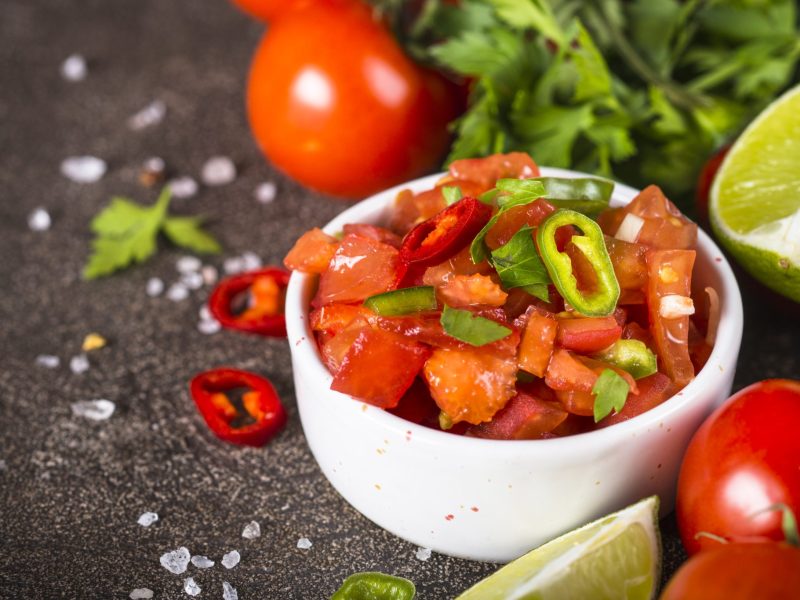
Traditional salsa is built from whole foods your ancestors would recognize: tomatoes, peppers, onions, garlic, herbs, and citrus. Grains, dairy, and refined sugar don’t belong in it.
That simple base checks the boxes for both Paleo and Keto lifestyles. It’s naturally gluten-free, dairy-free, and low in calories. Most fresh-style salsas also run low in net carbs, often around 1 to 3 grams per two-tablespoon serving.
The key word is traditional. Some store-bought versions add corn, beans, sugar, or thickeners that push them off-plan. We’ll cover how to spot those in a moment.
The Core Ingredients and What They Bring
Here’s a quick look at what goes into a classic salsa and why each ingredient earns its place:
- Tomatoes: A source of lycopene, an antioxidant linked to heart and skin health, plus vitamin C and potassium.
- Chile peppers: Contain capsaicin, the compound behind the heat. Peppers like jalapeño, serrano, habanero, and Hatch green chile each add their own character.
- Onions: Offer quercetin, a plant compound studied for its anti-inflammatory effects.
- Garlic: Brings allicin and deep, savory flavor without any added sugar.
- Cilantro: Adds brightness along with small amounts of vitamins A and K.
- Lime juice: Balances the heat, adds acidity, and helps preserve freshness.
Each one is a real, recognizable food. That’s exactly what Paleo eating is all about.
The Health Benefits of Salsa
Salsa does more than make food taste better. Its ingredients work together to support your goals in a few meaningful ways.
Flavor Without the Carb Load
On Keto, every gram of carbohydrate counts. Salsa delivers intense flavor in small servings, so a couple of spoonfuls can transform a plain chicken breast without blowing your macros.
That matters for long-term consistency. When your food tastes good, you’re far more likely to stick with your plan.
Antioxidants and Anti-Inflammatory Compounds
Many people come to Paleo hoping to calm inflammation. Salsa’s ingredients contain antioxidants like lycopene, quercetin, and vitamin C that support your body’s natural defenses.
Cooking tomatoes, as in roasted or fire-roasted salsas, can actually make lycopene easier for your body to absorb. Pair it with a healthy fat like avocado or olive oil for even better uptake.
Capsaicin and Metabolism
Capsaicin from chile peppers has been studied for its potential to slightly boost metabolism and support feelings of fullness. It’s no magic bullet, but it’s a nice bonus when you’re already eating well.
Spicy food also tends to slow you down at the table. Eating more mindfully helps you notice when you’re satisfied.
Hydration and Digestion
Fresh salsa has a high water content from tomatoes, onions, and lime. Its raw vegetables also add a bit of fiber, which supports healthy digestion.
Quick takeaway: Salsa adds antioxidants, heat, and hydration to your meals for a tiny carb cost.
How to Choose a Quality Paleo or Keto Salsa
Not every jar on the shelf deserves a spot in your fridge. Here’s the simple framework I use when I’m shopping.
The 4-Step Salsa Label Check
- Scan the ingredient list first. It should read like a recipe: tomatoes, peppers, onions, garlic, herbs, citrus, salt. If you can’t picture an ingredient, put it back.
- Look for hidden sugars. Watch for cane sugar, corn syrup, dextrose, or fruit juice concentrate near the top of the list.
- Check the net carbs. For Keto, aim for 3 grams of net carbs or fewer per two-tablespoon serving. Fruit-based or “chunky” salsas with corn and beans often run higher.
- Skip unnecessary additives. Thickeners like modified food starch and artificial preservatives aren’t necessary in a well-made salsa.
Common Mistake to Avoid
Many people grab a salsa labeled “natural” and assume it’s on-plan. That word isn’t tightly regulated, so it doesn’t guarantee anything. Always trust the ingredient list over the front of the jar.
Why Small-Batch Makers Are Worth a Look
Craft producers often keep their recipes simple because flavor, not shelf filler, is the selling point. They also tend to experiment with interesting peppers you won’t find in a standard grocery-store brand.
Mikey V’s Foods, a veteran-owned craft food company based in Texas, is a good example. Their lineup of fresh salsas includes options built around Hatch green chiles and super-hot 7 Pot peppers, which shows how much range salsa can have.
Creative Ways to Use Salsa in Paleo and Keto Cooking
Next, let’s move salsa off the chip plate. Here are some of my favorite ways to use it throughout the day.
Breakfast
- Salsa scrambled eggs: Stir a spoonful into eggs during the last 30 seconds of cooking.
- Breakfast skillet topper: Spoon it over a hash of ground sausage, peppers, and spinach.
- Avocado boats: Halve an avocado, remove the pit, and fill the center with salsa.
Lunch
- Lettuce wrap filling: Combine shredded chicken with salsa for a quick taco-style wrap.
- Salad dressing swap: Whisk salsa with olive oil and a squeeze of lime for an instant dressing.
- Tuna or chicken salad upgrade: Replace some of the mayo with salsa for brightness and heat.
Dinner
- Salsa-baked chicken: Place chicken thighs in a baking dish, cover with salsa, and bake at 400°F for 30 to 35 minutes.
- Steak topper: Spoon a smoky or green chile salsa over grilled ribeye or flank steak.
- Cauliflower rice bowls: Toss riced cauliflower with salsa, then top with carnitas and guacamole.
- Slow cooker pork: Add a jar of salsa to pork shoulder and cook low for 8 hours for easy shredded pork.
- Fish finisher: Top seared salmon or cod with a fresh, citrusy salsa right before serving.
Snacks
- Pair salsa with cucumber slices, jicama sticks, or bell pepper strips instead of tortilla chips.
- Mix it into guacamole for a chunkier, spicier dip.
- Drizzle it over pork rinds for a crunchy Keto “nacho.”
A 5-Minute Homemade Pico de Gallo
When you want something fresh, this takes almost no time:
- 2 Roma tomatoes, diced
- ¼ white onion, finely diced
- 1 jalapeño, seeded and minced
- 1 small garlic clove, minced
- 2 tablespoons chopped cilantro
- Juice of half a lime
- Salt to taste
Stir everything together and let it rest for 10 minutes so the flavors blend. It keeps in the fridge for about three days.
Quick takeaway: Salsa works at every meal, as a topper, a marinade, a dressing, or a dip.
Make Salsa Your Go-To Paleo and Keto Staple
Salsa proves that eating clean doesn’t have to mean eating bland. It’s built from whole foods, packed with antioxidants, and low enough in carbs to fit almost any plan.
Your next step is simple. Open your fridge, check the label on your current salsa, and see if it passes the 4-step check. If it doesn’t, swap it for a clean, small-batch option or whip up the pico de gallo above. Then pick one new way to use it this week, whether that’s salsa-baked chicken or a quick avocado boat, and taste the difference for yourself.
Frequently Asked Questions
Is salsa Keto-friendly?
Most traditional salsas are Keto-friendly. A two-tablespoon serving usually contains around 1 to 3 grams of net carbs. Avoid versions with added sugar, corn, beans, or large amounts of fruit, which raise the carb count.
Is salsa Paleo-approved?
Yes, as long as it’s made with whole-food ingredients like tomatoes, peppers, onions, garlic, herbs, and citrus. Skip salsas with added sugars, beans, corn, or artificial preservatives.
Can I eat salsa if I’m following the Autoimmune Protocol (AIP)?
Traditional salsa isn’t AIP-friendly because tomatoes and peppers are nightshades. Some people on AIP make a “salsa” from diced mango, cucumber, red onion, and cilantro instead, though it’s higher in natural sugar.
How long does salsa last in the fridge?
Fresh homemade salsa lasts about 3 to 5 days in an airtight container. Opened jarred salsa typically keeps for 1 to 2 weeks, but always follow the storage directions on the label.
What’s the healthiest way to eat salsa on a low-carb diet?
Pair it with protein and healthy fats. Spoon it over eggs, steak, chicken, or fish, or serve it with fresh vegetables like cucumber and bell pepper instead of chips.
Want to unlock greater wellness?
Listen to our friends over at the Wellness + Wisdom Podcast to unlock your best self with Dr. John Lieurance; Founder of MitoZen; creators of the ZEN Spray and Lumetol Blue™ Bars with Methylene Blue.





 Step Into 2027 With Numood—The Best Kratom Seltzer Offers To Explore

