That strange, tingling sensation on one side of your back… is it a pulled muscle? Or maybe a bug bite you can’t see? Sometimes, these odd feelings are the first whispers of something more specific. If you’ve ever had chickenpox, your body might be trying to tell you that shingles could be on the horizon. Understanding the early signs is key to managing it effectively.
Shingles can be a confusing and uncomfortable experience, but knowing what to look for can help you seek care sooner rather than later. Let’s walk through what shingles is, its earliest symptoms, and why prompt medical attention is so important.
What Is Shingles, Anyway?
Before we get into symptoms, it helps to know what we’re dealing with. Shingles is a viral infection caused by the varicella-zoster virus, the very same one that gives you chickenpox. After you recover from chickenpox, the virus doesn’t leave your body. Instead, it settles down and goes dormant in the nerve tissue near your spinal cord and brain.
For reasons that aren’t always clear, the virus can reactivate years or even decades later. When it “wakes up,” it travels along nerve pathways to your skin, causing the painful rash known as shingles. Anyone who has had chickenpox can get shingles, but the risk increases with age.
The First Clues: Early Symptoms Before the Rash
One of the trickiest things about shingles is that the most obvious sign, the rash, isn’t the first thing to show up. In the days before any blisters appear, you might experience some strange and localized sensations on one side of your body. These feelings are often the first warning sign.
The beginning of shingles often involves:
- Pain: This can range from a dull ache to a sharp, stabbing, or burning feeling.
- Tingling or Numbness: It might feel like “pins and needles.”
- Itching: An intense itch in a specific area.
- Sensitivity: The skin may feel tender to the touch.
These symptoms typically occur in the area where the rash will eventually develop. Because there’s no visible cause for the discomfort, it’s easy to mistake it for a muscle strain, a sensitive skin reaction, or another minor issue.
When the Shingles Rash Appears
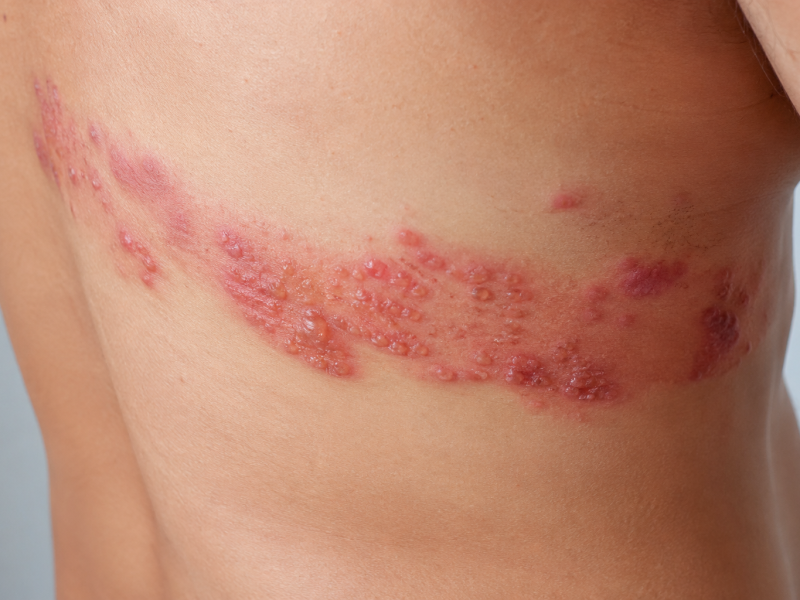
A few days after the initial pain or tingling begins, the hallmark rash of shingles will emerge. It usually appears as a single stripe of blisters that wraps around either the left or the right side of your torso. However, it can also show up on one side of the face, neck, or even around an eye.
The rash starts as red patches, which soon develop into fluid-filled blisters similar to chickenpox. These blisters can be incredibly painful and sensitive. Over the next 7 to 10 days, the blisters will crust over and begin to heal. The entire process, from the first blister to clear skin, can take two to four weeks.
Other Common Shingles Symptoms
While the localized pain and rash are the main events, shingles is a systemic illness that can affect your whole body. As your immune system fights the reactivated virus, you might also feel generally unwell.
Alongside the skin symptoms, it’s common to experience:
- Fever
- Headache
- Chills
- Upset stomach or nausea
- Fatigue
These flu-like feelings can start around the same time as the initial nerve pain, even before the rash becomes visible. It’s another reason why shingles can be initially confusing to self-diagnose.
Why You Shouldn’t Wait to See a Doctor
If you suspect you have shingles, contacting your doctor right away is the best course of action. Early medical intervention is crucial for a few key reasons. Doctors can often diagnose shingles based on your symptoms, especially if the characteristic rash has appeared.
Starting antiviral medication within 72 hours of the rash’s appearance can significantly shorten the duration of the infection and reduce its severity. More importantly, prompt treatment can lower your risk of developing potential long-term complications, such as postherpetic neuralgia (PHN). PHN is a condition where the nerve pain from shingles lingers for months or even years after the rash has cleared.
Listening to your body’s early warning signs gives you the best chance to get ahead of the infection. If you’re feeling an unexplained, localized pain or tingling, especially if you’re over 50 or have a weakened immune system, it’s always wise to get it checked out.
Want to unlock greater wellness?
Listen to our friends over at the Wellness + Wisdom Podcast to unlock your best self with Dr. John Lieurance; Founder of MitoZen; creators of the ZEN Spray and Lumetol Blue™ Bars with Methylene Blue.






 The Link Between Testosterone, Lifestyle, and Men’s Intimate Health
