Fresh vegetables are the backbone of healthy, vibrant cooking. But let’s be honest—we’ve all bought a beautiful bundle of spinach or a crisp head of broccoli with the best intentions, only to find it turned to mush in the crisper drawer a week later.
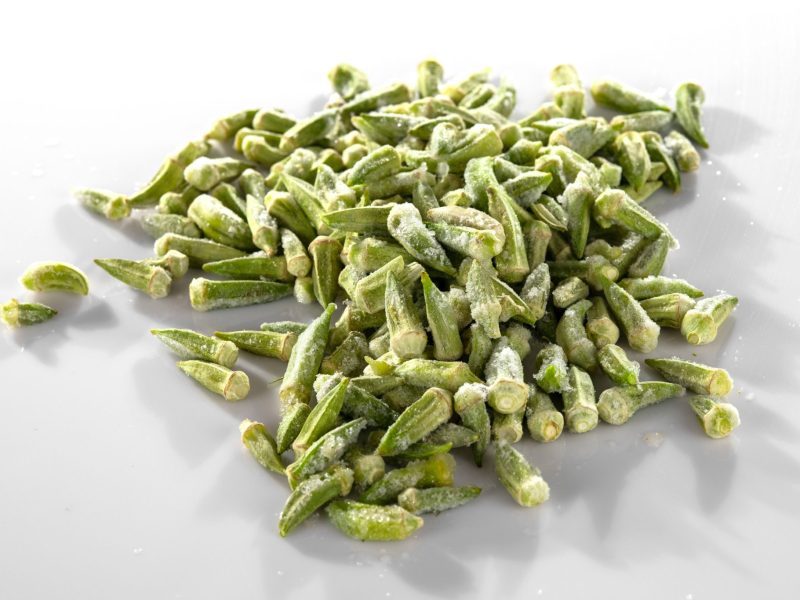
Freezing vegetables is one of the easiest, most cost-effective ways to halt food waste in its tracks. By preserving produce at peak freshness, you lock in nutrients, save money by buying in bulk, and ensure you always have quick, healthy ingredients ready to go.
Here is your complete guide to mastering the art of freezing vegetables, whether you are managing a busy home kitchen or looking at preservation tips used by the pros.
The Secret to Preservation: Getting the Temperature Right
To understand why freezing works so well, it helps to understand how preservation works on a larger scale. In the food industry, businesses rely heavily on advanced commercial refrigeration systems to flash-freeze produce immediately after harvest. Brands like Wilprep design heavy-duty commercial refrigerators, freezers, and prep tables engineered with 360-degree forced-air circulation and powerful Embraco compressors. This professional equipment is built to handle constant, rapid temperature adjustments, stopping enzyme activity instantly to lock in vibrant colors, crisp textures, and vital nutrients before the produce ever reaches the grocery store.
While you might not have a massive Wilprep commercial reach-in freezer in your home kitchen, you can still mimic these professional, high-performance results. The key is ensuring your home freezer is consistently maintained at 0°F (-18°C) or below, preventing the temperature fluctuations that lead to large ice crystals and devastating freezer burn.
Vegetables That Freeze Beautifully
Most vegetables handle the freezer incredibly well if they are prepped correctly. Here is a breakdown of the best candidates for freezing:
Leafy Greens
Perfect for throwing into future soups, smoothies, or pasta dishes.
- Best Options: Spinach, kale, Swiss chard, collards, and mustard greens.
- Prep: Wash thoroughly, remove tough stems, blanch for 1–2 minutes, plunge into ice water, drain completely, and pack tight.
Cruciferous & Root Vegetables
These sturdy veggies hold their shape and flavor remarkably well.
- Broccoli & Cauliflower: Cut into bite-sized florets, blanch for 3 minutes, cool in ice water, dry completely, and freeze.
- Carrots: Slice or dice them first. Slices need a 2-minute blanch, while whole baby carrots require 5 minutes.
Pods and Kernels
Sweet and convenient, these are great for quick side dishes.
- Green Beans: Trim the ends, cut into desired lengths, and blanch for 3 minutes.
- Peas & Corn: Shell fresh peas and blanch for 90 seconds. For corn, you can freeze whole cobs (blanch for 7–10 minutes) or slice the kernels off the cob after a brief cook.
The “No-Blanch” Shortcuts
Blanching (scalded in boiling water then iced) is crucial for most veggies because it stops the enzymes that cause spoilage. However, a few low-moisture or high-aromatic vegetables can skip this step entirely and go straight into the freezer raw after being washed and chopped:
- Bell Peppers & Hot Peppers (Slice, layout on a tray to freeze, then bag)
- Onions (Chop and flash freeze; best used for cooked dishes later)
- Garlic & Fresh Herbs
- Celery (Great for future soup bases)
Vegetables You Should Never Freeze Raw
Certain vegetables possess an incredibly high water content. When frozen, the water expands and breaks the plant’s cell walls, turning them into a watery, limp mess upon thawing.
Avoid freezing these raw:
- Lettuce and salad greens
- Cucumbers
- Radishes
- Raw potatoes (Instead, cook them first into mashed potatoes or hash browns!)
- Sprouts and watercress
Step-by-Step: How to Prep Like a Pro
To get the highest quality out of your veggies, follow this simple five-step process:
- Wash Thoroughly: Strip away any dirt, bacteria, or residual pesticides.
- Blanch When Needed: Drop veggies into boiling water for the recommended time, then immediately submerge them in ice water to stop the cooking process.
- Dry Completely: This is crucial! Excess moisture causes ice crystals and freezer burn. Pat your veggies dry with clean towels.
- Flash Freeze: Spread the vegetables in a single layer on a baking sheet and freeze for 1–2 hours. This keeps them from clumping together into a solid block, allowing you to scoop out exactly what you need later.
- Use Airtight Packaging: Pack them into vacuum-sealed bags, heavy-duty freezer bags, or airtight containers. Squeeze out as much air as humanly possible.
How Long Do Frozen Vegetables Last?
While food kept at a steady 0°F (-18°C) technically stays safe to eat indefinitely, its quality, flavor, and texture will gradually decline over time. Use this cheat sheet to use your stock at its peak:
| Vegetable | Best Quality Timeline |
| Broccoli, Cauliflower, Carrots | 10–12 months |
| Spinach & Leafy Greens | 10–12 months |
| Corn, Peas, Green Beans | 8–12 months |
| Bell Peppers & Zucchini | 8–10 months |
| Onions | 6–8 months |
Pro-Tip: Always label your freezer bags with the name of the vegetable and the date it was frozen. Use the “First In, First Out” rule to rotate your inventory!
Frequently Asked Questions
Does freezing destroy the nutrients in vegetables?
Not at all. In fact, freezing locks in vitamins and minerals at the exact moment of freezing. In many cases, frozen vegetables retain more nutrients than fresh produce that has spent a week degrading in the back of your refrigerator.
Can I freeze already cooked vegetables?
Yes! Leftover roasted root vegetables, mashed squash, cooked corn, and vegetable-heavy soups freeze beautifully. Just ensure they are completely cooled to room temperature before packaging them up.
Do I need to thaw vegetables before cooking them?
Most of the time, no! You can toss frozen peas, corn, broccoli, and peppers directly into your bubbling soups, stir-fries, curries, and pasta dishes. If a recipe specifically requires thawing (like baking zucchini bread), defrost them in the refrigerator overnight.
Want to unlock greater wellness?
Listen to our friends over at the Wellness + Wisdom Podcast to unlock your best self with Dr. John Lieurance; Founder of MitoZen; creators of the ZEN Spray and Lumetol Blue™ Bars with Methylene Blue.




 The One Pan Summer Method: Cook the Whole Farmers Market Without Turning On the Oven
