A tropical leaf on the label doesn’t earn a spot in your supplement cabinet. The soursop supplement market has expanded fast, and that growth has brought a wave of products cutting corners on sourcing, processing, and labeling. If you want to know how to identify high-quality organic soursop leaf capsules, the answer begins well before you open the bottle; it starts with reading what the label tells you, recognizing what it hides, and knowing which questions to ask before you buy. Soursop leaf, drawn from the Annona muricata tree, contains active compounds including acetogenins and antioxidants that researchers have studied for their potential health benefits. Those compounds only matter if the leaf was grown cleanly, harvested carefully, and processed without destroying what makes it effective. This guide walks you through the specific markers that separate a genuinely high-quality product from one that just looks good on a shelf.
What Organic Certification Actually Means for Soursop Capsules
Organic certification is one of the first checkboxes worth examining, but not all certifications carry equal weight. People searching for natural wellness options may consider options like Alkaline Herb Shop as part of their research into plant-based supplements that fit their overall health and wellness routine In the US market, USDA Organic is the standard most buyers recognize. It prohibits synthetic pesticides, herbicides, and fertilizers at every stage of cultivation. If a product claims to be organic but carries no third-party certification seal, you can’t verify that claim. Look for the USDA Organic seal or an equivalent from a recognized body, and confirm it appears on both the front panel and the Supplement Facts section. Some brands also carry additional certifications, such as non-GMO Project Verified, GMP compliance, or gluten-free testing, and each one adds another layer of accountability. GMP certification tells you the facility follows federal manufacturing standards covering everything from ingredient testing to finished-product quality checks. A product without any of these markers isn’t automatically poor quality, but the absence of verifiable third-party oversight is a real risk factor you shouldn’t ignore.
Third-Party Testing and What It Confirms
Third-party testing is different from third-party certification, and the distinction matters. Certification covers how the plant was grown. Testing covers what ends up in the capsule. A reputable soursop leaf supplement will carry a Certificate of Analysis (COA) from an independent laboratory, and many brands now make those documents publicly available on their websites. The COA should confirm at minimum:
- The identity of the botanical (that it’s genuinely Annona muricata leaf, not a substitute or adulterant)
- Heavy metal levels, tested against safe thresholds for lead, mercury, arsenic, and cadmium
- Microbial contamination testing (absence of harmful bacteria and mold)
- Pesticide residue levels, especially relevant if the product isn’t certified organic
If a brand doesn’t publish a COA or won’t supply one on request, that’s a strong signal to look elsewhere. Heavy metal contamination is a documented problem across the herbal supplement industry, and soursop leaf products aren’t immune. Some manufacturers source from regions where soil contamination is a known issue. An independent COA is the only dependable way to confirm your capsules passed that test before they reached you.
Wildcrafted Versus Farmed Soursop Leaf
You’ll see “wildcrafted” on some soursop labels, and it’s worth understanding what that actually means before assuming it’s better than farmed. Wildcrafted means the leaves were harvested from plants growing in their natural environment, without cultivation or agricultural inputs. Done responsibly, wildcrafting can produce leaf material with a rich phytochemical profile because the plant developed in its native habitat without interference. But “wildcrafted” isn’t a regulated term in the US the way “organic” is, so any brand can use it without independent verification. The questions to ask are whether the brand can name the region of origin, whether they test for pesticide residue even on wildcrafted material (since wild plants can still be exposed to agricultural runoff), and whether their harvesting practices are sustainable. Farmed organic soursop leaf grown under certified conditions can be just as potent, and in some cases more consistent from batch to batch. Neither label is automatically superior. What matters is traceability, testing, and transparency about where the leaf came from.
How to Read a Soursop Capsule Label Accurately
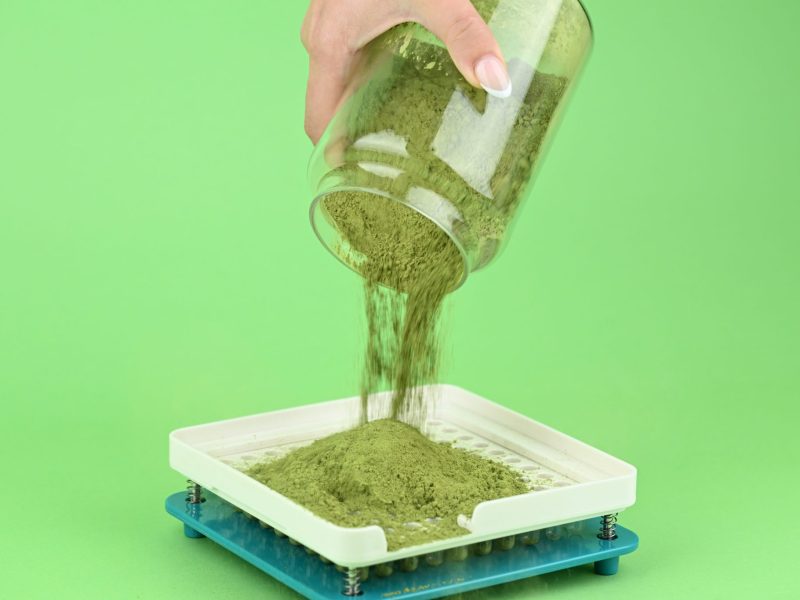
The supplement facts panel on a soursop capsule is where marketing language ends and actual product information begins. Most people glance at the milligram count and move on, but the label holds several other signals worth reading. Start with the “other ingredients” list below the supplement facts table. A short list is a good sign. You want to see the capsule shell material, typically vegetable cellulose or gelatin, and possibly a natural flow agent like rice flour or silica. What you don’t want is a long lineup of synthetic fillers, binders, or artificial colors. Magnesium stearate shows up frequently and isn’t dangerous at typical doses, but its presence alongside several other additives suggests the manufacturer prioritized production speed over a clean formula. Titanium dioxide, artificial flavors, and synthetic preservatives have no place in a simple leaf capsule. The fewer the filler ingredients, the more of each capsule is actual soursop leaf.
Dosage, Standardization, and Leaf-to-Extract Ratios
The milligram count on a soursop capsule label doesn’t tell you much on its own without context. There’s a meaningful difference between a powdered leaf capsule and a standardized extract. Powdered leaf capsules contain ground whole leaf material. The full spectrum of the plant’s compounds is there, but at a lower concentration per capsule. Standardized extracts are processed to concentrate a specific active compound (often expressed as a percentage on the label, such as “10:1 extract” or “standardized to X% acetogenins”). Neither form is universally better. Whole leaf powder preserves the natural balance of compounds and tends to be gentler, while a concentrated extract delivers more of a specific constituent per dose. But an extract is only as good as the starting material and the extraction method. Look for brands that disclose which part of the plant was used (leaf, not stem or bark, if that’s what you want), the extraction ratio or standardization percentage, and whether the product was tested for potency after processing. A high milligram number on a poorly sourced product means very little. Potency claims need the testing data to back them up.
Capsule Shell Material and Vegan Considerations
The capsule shell is easy to overlook, but it matters if you follow a plant-based diet or have dietary restrictions. Most capsules come in one of two forms:
- Gelatin capsules: derived from animal collagen (typically pork or bovine). They dissolve reliably but are not suitable for vegans or those with certain religious dietary restrictions.
- Vegetable cellulose capsules (HPMC): plant-derived, suitable for vegans, and increasingly the default for health-focused supplement brands.
If the label doesn’t specify the capsule shell type, contact the manufacturer before assuming. Some brands use pullulan capsules, a fermented starch option that’s vegan and dissolves well. Beyond dietary preference, the capsule material can affect how quickly the product breaks down and where in the digestive tract the contents are released. For most soursop leaf products, that difference is minor, but it’s one more data point a transparent brand should be willing to share.
Conclusion
Identifying a high-quality organic soursop leaf capsule comes down to a few non-negotiable factors: verified organic certification, documented third-party lab testing, transparent sourcing, a clean ingredient list, and honest labeling of dosage and form. None of those things require you to take a brand’s word for it. They’re all verifiable before you buy. The soursop supplement market rewards skeptical buyers who ask for COAs, read the full ingredient panel, and compare certifications. Products that cut corners on any of these fronts tend to reveal it in the label if you know what to look for. Learning how to identify high-quality organic soursop leaf capsules isn’t complicated, but it does require slowing down and reading past the marketing copy on the front of the bottle.
Want to unlock greater wellness?
Listen to our friends over at the Wellness + Wisdom Podcast to unlock your best self with Dr. John Lieurance; Founder of MitoZen; creators of the ZEN Spray and Lumetol Blue™ Bars with Methylene Blue.




 Exploring the Link Between Wellness and GHK-Cu
