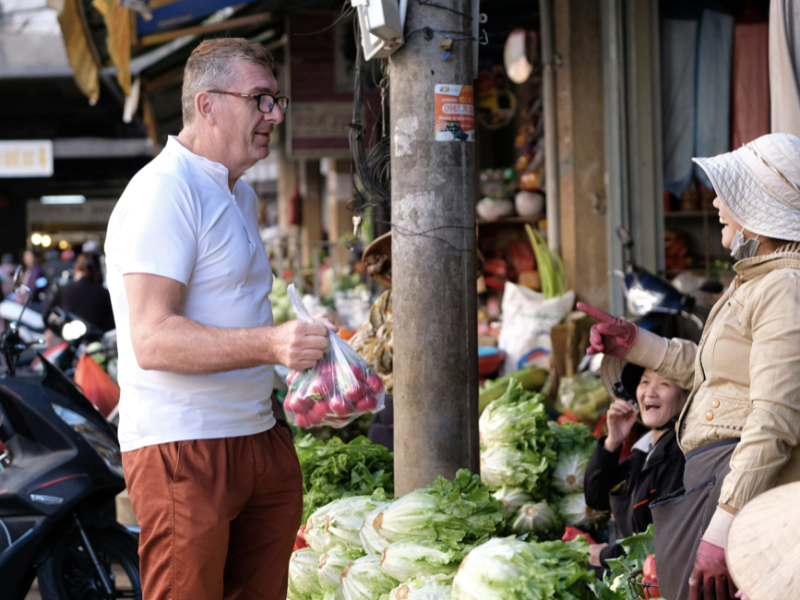
One of the best ways to truly know a place is through its food. Local meals tell stories about culture, family traditions, history, and daily life. Instead of sticking to tourist spots, eating like a local lets you discover real flavors and hidden gems that many visitors miss. It is about trying simple street food, visiting neighborhood markets, and choosing small family-run restaurants where locals gather. These experiences often feel more authentic, affordable, and memorable.
Food can turn a regular trip into something special. In this honest field guide, we’ll share practical tips to help you find great local dishes, enjoy new tastes, and experience every destination in a deeper way.
Local Food Tips for the Research Phase
Good pre-trip research is the difference between a forgettable food week and one you’re still talking about three years later.
Research Like Someone Who Lives There
Step away from the “Top 10 Restaurants in [City]” roundups, those exist to sell advertising, not to feed you well. Seek out independent food writers, non-sponsored city blogs, and recent subreddit threads. Cross-reference aggressively. When the same place keeps appearing across Google Maps, local forums, and city-specific groups, without a single selfie stick visible in the photos, that’s a sign worth trusting.
Spain rewards the spontaneous traveler, from pintxos bars tucked into Basque alleyways to blindingly fresh seafood along the Mediterranean. But spontaneity needs connectivity. Many travelers heading there use an esim spain solution to sidestep roaming charges and stay online while moving between neighborhoods, which means live reviews, real-time translations, and last-minute table bookings all stay within reach. Download offline maps before you go. Load your translation app with camera mode. Save your key spots. Then go get happily lost.
Build a Smart Map Before You Arrive
Create a custom Google Maps layer and color-code it. Must-visits in one color, backup spots in another, a separate pin for good coffee. Filter by review volume and proximity to major tourist areas, the further you are from the main square, the better the odds. Read photo-heavy reviews closely; they’ll tell you about queue lengths, seating, and whether the place has held up or quietly declined. For discovering regional food beyond Google’s reach, niche tools, halal guides, vegan-specific finders, allergy filters, fill in the gaps that mainstream apps quietly ignore.
A Food Enthusiast Guide That Actually Works in the Real World
None of this pays off without the right setup. Good food trips are built before you land, not improvised on an empty stomach at the airport.
The Mindset That Changes Everything
Curiosity is, genuinely, worth more than any app. Order things you can’t pronounce. Let something arrive that looks nothing like you expected, and eat it anyway. That discomfort? It almost always leads somewhere good. That said, respect is non-negotiable. Tipping customs, table etiquette, and photo culture shift dramatically between countries, and fumbling those things leaves an impression you can’t take back.
One framework worth keeping in your back pocket: push yourself on two meals a day, and give yourself one familiar option when you genuinely need it. Sustainable curiosity beats heroic stubbornness every time.
Set Your Food Goals Before You Leave Home
Mindset without direction gets expensive fast. Before any trip, decide what actually matters to you, best local dishes, dirt-cheap street food, a proper cooking class, or just wandering through a covered market with no agenda. Write a short “Must-Try” list sourced from local blogs and crowd-sourced maps rather than travel magazines. Keep it tight. If it has twenty items, it’s not a list, it’s anxiety in bullet form.
How to Actually Discover Regional Food Once You’re There
All the prep in the world is just homework. The real thing starts when you walk out the door.
Markets and Street Food Are Where It Happens
Genuine local markets aren’t photogenic and they aren’t near the main square. They open at dawn, they’re priced for the people who live there, and almost nothing is translated. For street food, follow families and office workers, not guided tours. Three things that signal a trustworthy stall: high turnover, food cooked fresh in front of you, and visible handwashing. If all three are present, you’re probably fine. If none are, keep walking.
Read the Street Before You Read Any Review
An office worker eating lunch somewhere is a stronger endorsement than four stars on any app. Short menus in the local language, handwritten daily specials, and a focused selection of two or three dishes, those details matter more than the review count. Walk one block off any tourist strip and prices drop, the noise level shifts, and the food almost always gets more interesting.
Ask the Right Question
“Where do you eat after work with friends?” gets you somewhere. “Where should I eat?” gets you a rehearsed answer. Ask bartenders, market vendors, the barista who made your morning coffee. They know things no algorithm surfaces. Local Facebook groups and city subreddits are genuinely underrated here too, crowdsourced, honest, and usually more current than any published guide.
Ordering Well When You Don’t Know the Language
You’ve found the right place. Don’t blow it by ordering the wrong thing.
Decode the Menu Without Feeling Lost
There’s data behind this: research indicates that guests who genuinely understand a menu spend 18–25% more. Comprehension changes behavior, yours included. Use a translation app with offline capability. Save the phrase “What do locals usually order?” Point at neighboring tables and say you want exactly that. It works more reliably than most people expect.
Try the Famous Thing Once, Then Go Deeper
A rule worth stealing: three classic must-tries, two regional or neighborhood specialties, one completely unfamiliar dish per destination. Eat the iconic thing, yes, absolutely. Then ask a local what they actually cook at home on a Sunday. That conversation leads somewhere more interesting almost every single time.
One Last Thing
Exploring local cuisine well is a skill, not a talent, not luck. It comes from preparation, genuine curiosity, and the willingness to read your surroundings instead of your phone. Use the tools: maps, translation apps, connectivity that doesn’t fail you mid-search.
But hold all of it loosely. The best meal of almost every trip is the one you stumbled into by accident, didn’t photograph properly, and still think about years later. Build the habits, stay curious, and every place you visit becomes somewhere worth eating.
Quick Answers to Common Food Travel Questions
- How do I spot a tourist trap versus a genuinely local restaurant?
Menu only in the local language, no outdoor photos, short dish list, mostly local clientele. If staff switch to English before you’ve opened your mouth, recalibrate. - Is street food actually safe?
High turnover, cooked fresh in front of you, visible hygiene. Avoid anything that’s been sitting uncovered in heat. That’s the whole checklist. - How do I find vegetarian options in meat-heavy cuisines?
Research before arrival using vegan-specific apps or regional food blogs. At markets, grain-based side dishes often happen to be plant-based even when they’re not marketed as such.
Want to unlock greater wellness?
Listen to our friends over at the Wellness + Wisdom Podcast to unlock your best self with Dr. John Lieurance; Founder of MitoZen; creators of the ZEN Spray and Lumetol Blue™ Bars with Methylene Blue.





 Foods That May Help Reduce the Risk of Kidney Stones Naturally
