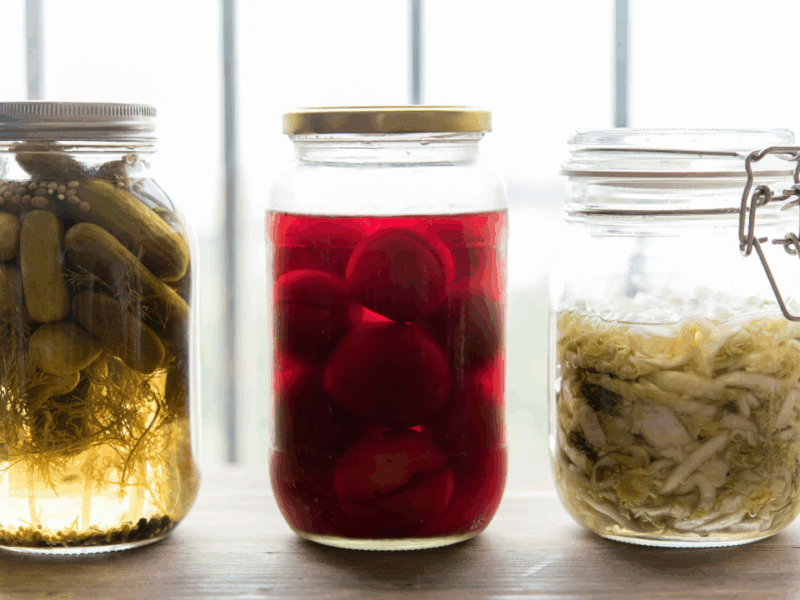
As winter approaches and fresh produce becomes scarce, fermentation evolves from a culinary art into a survival instinct embedded in people’s DNA. For centuries, communities worldwide have relied on natural preservation to extend the life of food during cold months. Beyond longevity, the enzymatic action unlocks a powerful transformation.
It does much more than just keep dishes edible. It also enhances their flavor, nutritional value and ability to nourish the body on a microbial level. The secret lies in umami — the savory depth that turns basic winter fare into metabolic medicine.
What Is Fermentation and How Does It Boost Your Metabolism?
Microbial transformation is nature’s chemistry lesson. It’s the process in which microorganisms like bacteria and yeast break down carbohydrates and sugars into acids, gases or alcohol. This transformation preserves existing provisions and also creates new compounds, making it more digestible and nutrient-rich.
Modern research links fermented foods to improved metabolic health through their effects on the gut microbiome. Beneficial bacteria produced during the live culture process, also known as probiotics, support gut diversity and improve digestion.
Studies have shown that probiotics can help regulate blood sugar levels, reduce inflammation and even influence weight management. A balanced microbiome also communicates directly with the endocrine system, which governs metabolism and energy regulation.
In short, eating enzymatically preserved fare supports your digestion and helps your entire microbial network run more smoothly.
Fermenting Paleo-Friendly Winter Foods
Before refrigeration, fermentation meant survival. During cold seasons, people relied on naturally preserved sustenance to maintain strength and immunity. Today, that same wisdom applies, especially if you follow a whole-food or paleo-style diet.
Some of the best seasonal vegetables for preservation include:
- Cabbage: Perfect for sauerkraut, it’s high in fiber and vitamin C.
- Root vegetables: Carrots, beets and turnips ferment beautifully, developing tangy depth. According to the Essential Amino Acid Index, when combined with apple, they offer more stable protein.
- Cauliflower and broccoli: These cruciferous vegetables turn mild and nutty when fermented and are easily digested while preserving natural nutrients usually lost during cooking.
- Onions and garlic: Naturally antimicrobial and rich in prebiotics, they support gut balance and make the fermentation process safer by inhibiting the growth of harmful bacteria.
- Brussels sprouts: When soaked in brine, their sharpness mellows into a subtle nuttiness that pairs beautifully with hearty winter meals. Sprouts are rich in vitamins K and C, making them valuable to preserve.
Fermenting these staples in brine over several days or weeks preserves them. It also enhances their nutritional profile through enzyme action, vitamins and amino acids.
Unlocking the Umami Secret of Fermentation
This microbial alchemy changes the texture of food and rewires flavor. As microbes work their magic, they break down proteins into amino acids such as glutamate. The taste receptors that respond to glutamate produce the foundation of umami, the fifth taste. Your tongue experiences that salty, earthy taste sensation when you enjoy soy sauce or sake, which are both products of fermentation. Umami adds savory complexity and fullness, deepening flavor without relying on fats or sugars.
This transformation is both delicious and functional. The same glutamate and glutamine amino acids that create umami also support muscle recovery, neurotransmitter balance and metabolic energy. That’s why probiotic-rich foods are often described as both flavorful and healing.
The Art of Flavor Pairing With Brewed Beverages
Fermentation extends beyond vegetables and into drinks that hold deep cultural meaning. One of the best examples is sake, Japan’s centuries-old rice beverage.
One of the secrets to sake’s food-pairing friendliness is its high concentration of amino acids, which are responsible for its savory, umami flavor. When paired with food, these amino acids create a synergistic effect, heightening the natural umami in both the beverage and the meal. This allows sake to pair with other fermented foods like cheese, vinaigrette salads and soy-based entrees. Sake’s clean microbial profile also prevents harsh notes that can overpower subtle dishes.
Matching different sakes to various dietary staples demonstrates how fermentation goes beyond preservation and into the science of balance. The same microbial processes that transform rice into sake are at work in miso, soy sauce and tempeh. Various preservation techniques produce sake that is sweet or dry, texture-rich or aromatic, and this guides the type of food best suited to match the flavor profile, such as pairing tempura with a semi-dry Junmai sake.
Your Winter Guide to Metabolic Ferments
If you’re ready to bring the ancestral practice of fermentation into your kitchen, start with a few simple staples that double as microbial allies.
Aged Vegetables
Add a range of probiotic-rich veggies to your plate as sides or ingredients in nutrient-dense meals. Explore options like these:
- Sauerkraut: Packed with probiotics, enzymes and vitamin C, sauerkraut supports immunity and digestion during cold months.
- Kimchi: A Korean classic that combines chili, garlic and cabbage. The spiciness boosts circulation and helps the body generate heat naturally.
- Fermented root vegetables: Beets and carrots develop earthy sweetness when fermented and provide antioxidant, anticancer and antihypertensive values.
Preserved Beverages
Producing metabolic-rich drinks like sake and sauces like soy sauce adds valuable metabolites to meals. Try variations like these:
- Water kefir: This dairy-free probiotic drink made with sugar water and grains is refreshing, lightly fizzy and excellent for gut balance.
- Kombucha: This fermented tea is rich in probiotics, providing antioxidants and organic acids that aid in liver detoxification and metabolism.
- Sake: While typically enjoyed as a drink, you can also use small amounts in marinades and dressings to enhance flavor, and it has a synergistic relationship with nutrient absorption.
These foods and drinks taste better with time, and they work with your body to maintain energy, improve digestion and stabilize metabolism when the cold tends to slow everything down.
Ancient Techniques, Modern Benefits
Fermentation is one of humanity’s oldest conservation technologies, and its wisdom is timeless. As winter limits access to fresh produce, microbial preservation offers nourishment that’s alive, flavorful and bioactively beneficial. Each bite carries ancestral knowledge and modern science as a synergy of flavor and function.
From sauerkraut to sake, fermented nutrients remind us that wellness doesn’t have to be complicated. Sometimes, all it takes is some salt, a little time and the right microbes to transform everyday fare into metabolic medicine.
Want to unlock greater wellness?
Listen to our friends over at the Wellness + Wisdom Podcast to unlock your best self with Dr. John Lieurance; Founder of MitoZen; creators of the ZEN Spray and Lumetol Blue™ Bars with Methylene Blue.






 The Best Wavy Hair Products You Need For Effortless Texture And Tons Of Body
