If you have explored facial rejuvenation, you may have noticed how confusing the terminology can be. SMAS, lifting vectors, and natural results are not interchangeable. In the United States, 77,933 facelift procedures were reported in 2025, showing that surgical facial rejuvenation remains an option for many adults. Numbers cannot tell you whether a procedure suits your face, health, or expectations. Understanding what a deep plane facelift can—and cannot—change is a better starting point than comparing before-and-after photographs.
The Difference Beneath the Surface
A deep plane facelift goes beyond tightening loose skin. It works with deeper facial tissues, including the superficial musculoaponeurotic system, commonly called the SMAS, and selected retaining ligaments that help support the cheeks and lower face.
The distinction matters. Tightening skin without addressing underlying tissues can concentrate tension at the surface and create an overly pulled appearance. A deep plane approach releases selected attachments and repositions deeper tissues together, allowing skin to settle over the lifted structure. The exact technique varies by surgeon and patient; the label alone does not guarantee a particular result.
Improvements may be most noticeable around the midface, folds beside the nose and mouth, jowls, and jawline. The aim is not to create a different face, but to restore some definition that has softened as facial tissues descend over time.
Look for Judgment, Not Just a Trending Technique
The phrase “deep plane” is widely used, but a label is not proof of skill. Anatomy knowledge, technical experience, careful planning, and restraint matter more than a trend. Seek a qualified surgeon, confirm relevant board certification, and ask how complications and revision surgery are handled.
If you are comparing options such as a deep plane facelift Beverly Hills has many providers offering this procedure. Focus on the proposed treatment plan rather than the location alone. Ask what will be lifted, why that approach suits you, and what alternatives could achieve. The consultation should explain benefits, limitations, risks, and costs without promising perfection.
Why Facial Anatomy Shapes the Outcome
Age-related changes happen in several layers. Fat compartments can shift, supporting ligaments loosen, skin gradually loses elasticity, and changes in bone structure affect the proportions beneath the surface. Together, these shifts can flatten the cheeks, deepen folds, and blur the transition between the jaw and neck.
During surgery, the surgeon works beneath the SMAS in selected areas and releases ligaments that restrict movement. This can help cheek and lower-face tissues move upward together. Results depend on anatomy, judgment, healing, and the amount of change that is appropriate—not simply on how much tissue is lifted.
Who May Benefit—and Who May Not
A deep plane facelift is generally considered when visible tissue descent is a bigger concern than fine lines alone. Flattened cheeks, pronounced jowls, and lower-face heaviness may be signs worth discussing during a qualified consultation. People whose main concerns are skin texture, pigmentation, or a few superficial wrinkles may be better served by other approaches.
Age alone does not determine suitability. People of the same age can have different skin quality, facial structure, medical histories, and goals. A surgeon should assess health, medications, smoking status, previous procedures, and your main concerns. They should explain what surgery is unlikely to improve.
Realistic expectations matter just as much as anatomy. Surgery can reposition tissue, but it cannot stop aging or guarantee symmetry. A good candidate understands the trade-offs, has time for recovery, and is choosing the procedure for personal reasons rather than pressure from social media or other people.
Recovery Is Part of the Decision
Recovery can involve swelling, bruising, tightness, fatigue, and temporary changes in sensation. The first week may be the most restrictive, but recovery varies. Some people feel comfortable in public sooner than others; subtle healing can continue for weeks or months.
Before surgery, arrange transport, follow-up visits, prescribed medication, and support at home. Follow your surgical team’s instructions about sleeping position, wound care, bathing, exercise, and when to resume work. Do not use another person’s timeline as a benchmark for your own healing.
Understand risks in advance, including bleeding, infection, scarring, nerve injury, asymmetry, skin-healing problems, and possible further treatment. This Forbes article on discussing facelift experiences openly provides context on disclosure and realistic expectations. Use general reading to prepare questions, not replace individualized medical advice.
Natural-Looking Results Require Balance
A refreshed result should still look like you. When proportions are respected, and tissue is not overcorrected, people may notice you look rested without identifying surgery. An operated appearance can result from excessive tension, a strong lateral pull, or imbalance between the midface, jawline, and neck.
A facelift also does not correct every concern. It cannot reliably erase sun damage, change skin texture, or replace all lost facial volume. Depending on individual needs, a surgeon may discuss other procedures, but additional treatment should have a clear purpose rather than being added automatically.
For a plain-language discussion of cosmetic surgery risks and public expectations, this Forbes article about plastic surgery disclosure offers context. Evaluate the whole plan, not just one technique or a polished photograph.
Questions Worth Asking Before You Decide
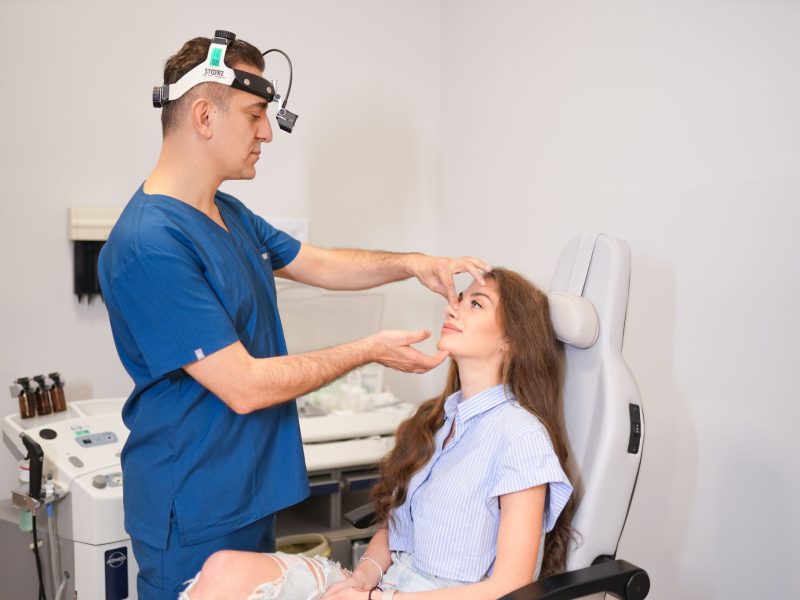
A good consultation should inform rather than pressure you. Ask what the surgeon expects to improve, what will remain unchanged, how often they perform the operation, and how they manage complications. Request examples of similar patients and ask about incisions, anesthesia, recovery, scars, and follow-up care.
Before deciding, ask how the team will communicate after surgery and whom to contact if symptoms change. Clarify which signs require urgent attention, how appointments are scheduled, and whether follow-up continues once swelling settles. Clear aftercare arrangements are part of safe planning, not an administrative detail to overlook.
Make the Choice on Your Own Terms
A deep plane facelift is a significant operation involving cost, downtime, risk, and trust. For some people with substantial facial descent, it may offer a more meaningful change than repeated non-surgical treatments. For others, the likely benefit may not justify the recovery or risks.
The best reason to consider surgery is understanding what bothers you, what the procedure can realistically change, and what recovery will require. Compare qualified opinions, check credentials, and consider your priorities. A well-informed decision may be to proceed, choose another option, or wait. The goal is not to chase a trend or erase every sign of age, but to choose what fits your face, health, and life.






 What to Ask a Provider Before Starting Medical Weight Loss

