A healthy grocery routine can support your body without overwhelming your household budget. The key is to spend with purpose, use what you buy, and build meals around affordable staples. Small adjustments can lower weekly costs while keeping vegetables, fruit, protein, and fiber on the table. These practical strategies will help you create a sustainable routine that works through busy weeks and changing food prices.
Smart Shopping for Quality Food
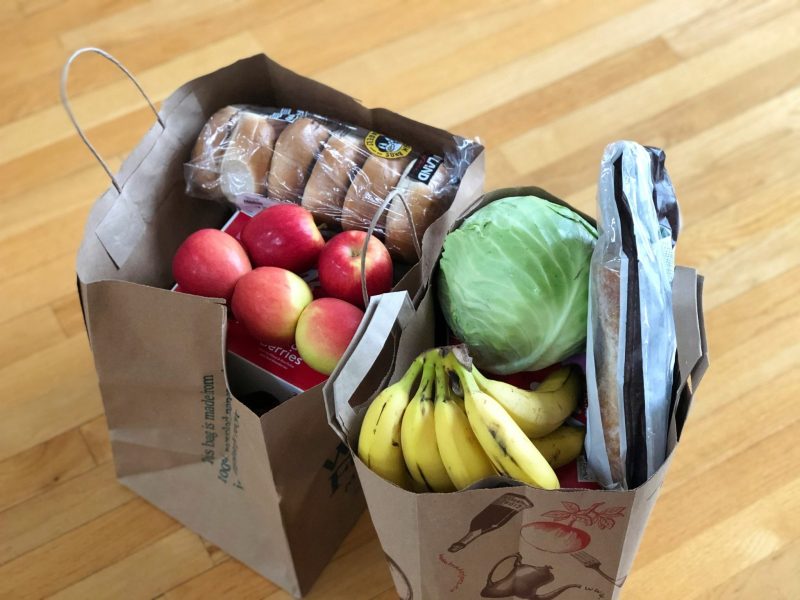
Start each shopping trip with a short meal plan and a list based on what’s already in your refrigerator, freezer, and pantry. Compare unit prices because the largest package isn’t always the least expensive option. Store brands, frozen produce, canned beans, and seasonal fruit often offer strong nutritional value at a lower price.
Healthy eating supports energy, digestion, and long-term health, so food quality deserves a steady place in your budget. This guide to healthy eating on a budget explains why nutritious choices remain valuable when money is tight. Research sale prices carefully and avoid buying discounted perishables unless you have a clear plan to use or freeze them.
Meal Prep for Savings and Health
Choose two or three flexible meals for the week instead of planning a different recipe for every night. A batch of brown rice, roasted vegetables, and cooked chicken or lentils can become grain bowls, wraps, and soups. This approach limits last-minute takeout while reducing the chance that ingredients will spoil.
Financial stress can affect far more than one household expense. Commentary from Daniel Tilipman discusses how resolving personal financial strain may produce wider benefits for families and communities. Meal prep supports that same focus on household stability by turning grocery spending into several planned meals. For more ideas, these affordable healthy meal strategies cover practical ways to balance cost and nutrition.
Grow Your Own: Garden Benefits
A small garden can supply herbs and vegetables that are expensive or quick to spoil at the store. Basil, parsley, green onions, and lettuce grow well in containers, so you don’t need a large yard. Place pots near a sunny window, balcony, or patio and begin with one or two crops you already eat.
Gardening also gives you control over harvest timing. You can clip only the herbs needed for dinner and leave the rest growing. Save clean containers for seedlings and consider sharing seeds with neighbors to lower startup costs. If a garden produces more than your household can eat, freeze herbs in water, blanch extra vegetables, or share the surplus before it goes to waste.
Financial Planning for Household Stability
Set a realistic weekly food amount after reviewing several weeks of actual spending. Include groceries, takeout, work lunches, and convenience-store purchases so the total reflects your full food budget. If the number is higher than expected, look for one repeat expense to reduce, such as unused produce or delivery fees.
Keep grocery money in its own budgeting category and check the remaining balance before shopping. A simple note on your phone can track spending without requiring a complicated app. Also keep a small pantry reserve of oats, pasta, canned tomatoes, and beans. These staples provide inexpensive meal options when an unexpected bill limits the week’s available cash.
Long-Term Wellness Strategies
Build meals around foods that deliver both nutrition and value. Beans, eggs, oats, potatoes, canned fish, plain yogurt, and frozen vegetables can form the base of breakfasts, lunches, and dinners. Rotate seasonings and preparation methods so familiar ingredients don’t become repetitive.
Review your routine once a month. Check which foods went unused, which meals kept you full, and which shopping habits raised the bill. The advice in this guide to reducing food waste can help you store ingredients properly and use leftovers safely. Over time, an accurate shopping list and a dependable set of low-cost meals will do more for your budget than chasing every sale. The best plan is one your household can keep using after the first enthusiastic week.
Want to unlock greater wellness?
Listen to our friends over at the Wellness + Wisdom Podcast to unlock your best self with Dr. John Lieurance; Founder of MitoZen; creators of the ZEN Spray and Lumetol Blue™ Bars with Methylene Blue.






 Caviar on a Paleo or Keto Plate: What the Health Benefits Really Look Like