If you eat paleo or keto, you already know the drill: nutrient density matters, ingredient lists should be short, and carbs are better spent elsewhere. Fish roe fits that mindset better than most people expect. So let’s take a friendly, realistic look at the caviar health benefits people talk about, what the research behind the nutrients says, and how to enjoy it without overdoing it.
What Are the Health Benefits of Caviar?
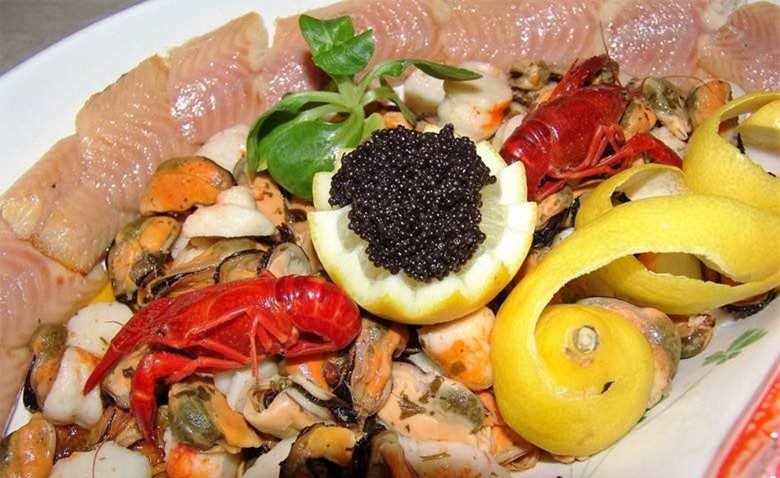
Caviar Star describes caviar as a nutrient-dense food that is rich in omega-3 fatty acids, with notably high vitamin B12, plus vitamins A, D and E, and the minerals selenium and iron. It also points to high-quality protein with all the essential amino acids and very few carbohydrates, which is why caviar suits low-carb and ketogenic eating.
What the Research Says About Omega-3s and B12
The NIH Office of Dietary Supplements explains that EPA and DHA, the omega-3s most associated with fish, come mainly from seafood, and that the body converts only small amounts of plant-based ALA into them. The same fact sheet is candid that research on health outcomes is mixed and that no recommended intake has been set for EPA or DHA. In other words, omega-3s matter, but they are not a magic bullet.
Vitamin B12 is a different story. According to NIH’s vitamin B12 fact sheet, it helps keep blood and nerve cells healthy and helps make DNA, and fish is among its food sources. The recommended daily amount for adults is 2.4 micrograms.
Keep the bigger picture in mind, too. The American Heart Association recommends two servings of fish per week, with a serving being three ounces cooked, and links fish and seafood intake to lower cardiovascular disease risk. That advice is framed around fish in general rather than roe specifically, so think of roe as one delicious way to add seafood variety rather than a replacement for whole fish.
The Salt Factor and Portion Size
One honest caveat is salt. Caviar is salt-cured, and Caviar Star says its roe is simply roe and salt. Portions are small by design: roughly a half ounce to one ounce per person as a serving, or five to ten grams as a garnish. Treat caviar as an accent that adds nutrition and flavor, not a main course.
Keeping It Paleo- and Keto-Friendly
Since blinis and chips bring grains and starch, build your plate differently. Cucumber rounds, endive leaves, soft or deviled eggs and avocado are all easy, low-carb bases, and Caviar Star’s entertaining ideas include several of them. Crème fraîche is the classic partner, so if dairy works in your approach, a small spoonful is lovely. If it does not, a drizzle of good olive oil or a bit of mashed avocado does the job. If you are managing a health condition or are pregnant, check with your healthcare provider before making caviar a regular habit.
Putting It on Your Plate
With all of that in mind, the takeaway is simple: caviar can be a nutrient-rich, low-carb treat that fits comfortably into a whole-food way of eating, as long as expectations stay realistic and portions stay small.
Likewise, quality matters. Look for roe with a short ingredient list and clear sourcing, such as the traceability Caviar Star describes on its site, and enjoy it slowly. A little goes a long way, and that is part of the charm.
Want to unlock greater wellness?
Listen to our friends over at the Wellness + Wisdom Podcast to unlock your best self with Dr. John Lieurance; Founder of MitoZen; creators of the ZEN Spray and Lumetol Blue™ Bars with Methylene Blue.




 How a Well-Chosen Set of Weights Becomes the Heart of a Home Gym