
Minimalism has evolved far beyond stark white walls and empty rooms. Today, it reflects a conscious decision to create spaces that support clarity, ease, and everyday comfort. In a world filled with constant notifications, packed schedules, and visual noise, the home has become one of the few places where we can intentionally shape our environment.
Designing a minimalist home is about removing what distracts and refining what remains. A calm, clutter-free, and comfortable home requires thoughtful choices about layout, storage, materials, and even heating. When these elements work together, the result is a space that
feels grounded and restorative. Below are practical strategies to help you design a minimalist home that supports both simplicity and comfort.
Start With Purpose, Not Aesthetic
Many people begin their minimalist journey by focusing on how they want their space to look. A more effective approach is to begin with how you want it to feel and function. For example, in a living room, identify the core functions, such as relaxing, reading, gathering with family, or
perhaps working occasionally. Arrange furniture to support those activities and remove decorative pieces that don’t add meaning or function. Keep surfaces mostly clear to allow space to breathe.
Minimalism works best when every item earns its place, including storage. Closed storage solutions reduce visual clutter, while open shelving should be curated carefully. A few well-chosen objects create far more impact than crowded displays. By anchoring decisions in purpose, the aesthetic takes shape organically, and the room feels intentional rather than empty.
Create Visual Calm Through Cohesive Design
Clutter is both physical and visual. Too many colors, competing textures, and mismatched finishes can make a room feel unsettled even when it is tidy.
A cohesive palette brings harmony. Neutral tones, natural materials, and subtle contrasts work particularly well in minimalist interiors. Materials, such as wood, stone, linen, and soft metals, add warmth without overwhelming the senses.
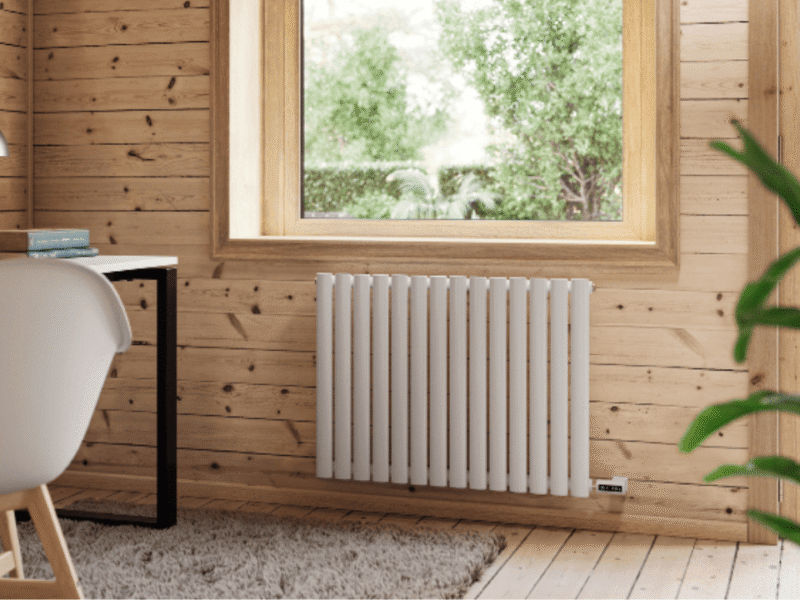
Functional elements also contribute to visual calm. Radiators, lighting fixtures, and storage units are often treated as purely practical. In a minimalist home, they should complement the overall design rather than disrupt it.
This is where carefully selected heating solutions make a difference. Instead of bulky or outdated fixtures, many homeowners now look for streamlined alternatives that integrate seamlessly with modern interiors.
Companies such as UK Radiators offer options designed to blend into contemporary spaces while maintaining everyday comfort. Thoughtful integration of functional elements keeps the room cohesive and reduces visual distractions.
Prioritize Comfort Alongside Simplicity
Minimalism should never feel cold. Comfort is central to a home that feels truly calm. Temperature plays a crucial role in how a space feels. A room that looks serene but feels chilly will never be inviting. Likewise, overheating a room can create discomfort and restlessness.
When redesigning with minimalism in mind, consider how heating systems affect both appearance and experience. Replacing older, oversized units with streamlined alternatives can free up wall space and enhance the overall aesthetic. Heating should support the atmosphere without drawing unnecessary attention. When comfort and design work together, the home feels balanced rather than sparse.
Soft textiles also enhance comfort without creating clutter. A wool throw, a single area rug, or linen curtains can add warmth and texture. Choose quality over quantity. A few well-made pieces outperform a collection of decorative extras. Minimalist living is sustainable when it feels good to inhabit, and comfort ensures the simplicity lasts.
Reduce Surface Clutter With Intentional Storage
One of the most visible signs of clutter is crowded surfaces. Kitchen counters, bedside tables, and entryway consoles easily become catch-all zones. Effective storage is about accessibility as much as concealment. Items used daily should have designated, easy-to-reach spaces. Items used occasionally can be stored out of sight.
In the kitchen, consider drawer organizers and cabinet dividers that prevent utensils and tools from spreading across countertops. In bedrooms, bedside tables with drawers help keep surfaces clear while keeping essentials within easy reach.
Entryways benefit from a slim bench with hidden storage, wall hooks for coats, and a small tray for keys. The goal is to create frictionless habits. When storage feels intuitive, tidying becomes effortless.
Built-in solutions often work well in minimalist homes because they reduce the need for additional furniture. Wall-mounted shelves, recessed cabinets, and streamlined wardrobes keep floors open and rooms feeling spacious.
Choose Quality Materials That Age Well
Minimalist spaces depend heavily on the quality of what remains. When there are fewer objects in a room, each one carries more visual weight.
Invest in materials that age gracefully. Solid wood, natural stone, and durable fabrics often develop character over time. They also reduce the need for frequent replacements, which aligns with a more intentional lifestyle.
Avoid trend-driven decor that may feel dated quickly. Instead, focus on timeless shapes and neutral finishes. This approach provides a stable foundation that can adapt subtly to seasonal changes or minor updates.
Even functional upgrades should be considered through this lens. Selecting durable, well-designed fixtures ensures that practical elements maintain both performance and aesthetic consistency over the long term. When materials are chosen thoughtfully, the home feels grounded and enduring rather than temporary.
Build Habits That Support a Clutter-Free Space
Design sets the stage, but habits sustain the result. A minimalist home benefits from simple daily routines. Reset shared spaces at the end of the day, return items to their designated places, and regularly reassess belongings to determine whether they still serve a purpose.
Adopt a one-in, one-out mindset when bringing new items into the home. This encourages mindfulness and prevents gradual accumulation. It also helps to define personal boundaries around consumption. Before purchasing a new item, consider where it will live and whether it
enhances daily life. If it doesn’t add function or genuine enjoyment, it may not belong.
Conclusion: Designing for Calm in the Long Term
Minimalist living is not a one-time project. It is an ongoing practice of refinement. By focusing on purpose, cohesive design, comfort, quality materials, and supportive habits, you create a home that feels open yet welcoming.
As you evaluate your own home, look beyond aesthetics. Consider how each element contributes to clarity and comfort. Small, thoughtful changes can shift the entire atmosphere of a room. Over time, those choices add up to a home that feels steady, intentional, and genuinely
restorative.
Want to unlock greater wellness?
Listen to our friends over at the Wellness + Wisdom Podcast to unlock your best self with Dr. John Lieurance; Founder of MitoZen; creators of the ZEN Spray and Lumetol Blue™ Bars with Methylene Blue.




 Maintaining Independence With the Right Support Tools
