Have you ever looked at a healthcare job description and thought, “Wait, why do I need project management skills to work in health?”
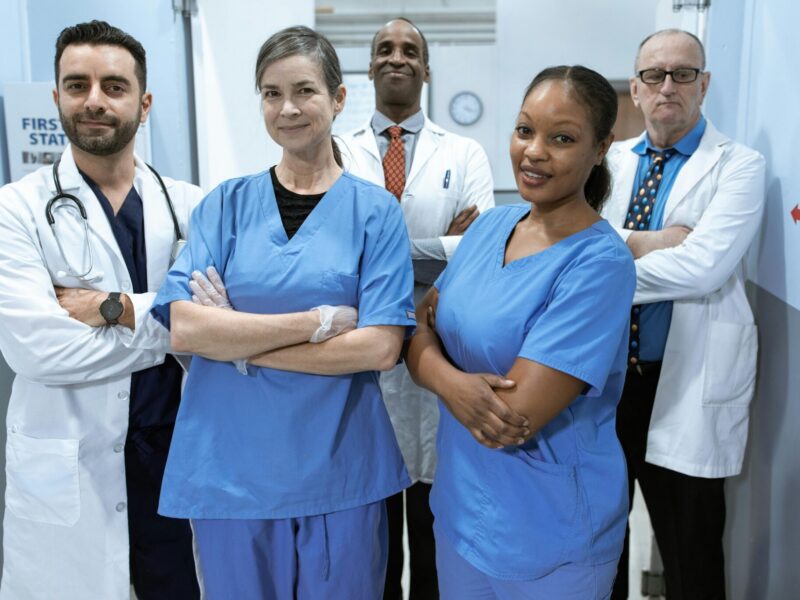
You’re not alone. The idea that a clinical credential is all you need to succeed in healthcare is fading – fast. Employers are still hiring nurses, therapists, and technicians, but they’re also hiring care coordinators, data analysts, policy advocates, compliance officers, and patient experience managers. These roles don’t always require a stethoscope, but they absolutely shape the way healthcare is delivered.
As the industry becomes more interconnected, tech-driven, and outcomes-focused, the talent it needs is changing. Clinical expertise still matters, but it’s only one piece of the puzzle. In this blog, we will share what today’s healthcare employers look for beyond clinical credentials, what skills are rising in demand, and how education is adapting to prepare people for this shift.
Skills That Travel Beyond the Exam Room
It’s no longer enough to understand health conditions. You need to understand systems. Communication, collaboration, and digital literacy have become the new baseline. Hospitals and clinics now rely on electronic health records, telehealth platforms, mobile patient apps, and complex data reporting systems. And someone needs to manage all that, not just use it.
For example, the shift to value-based care means healthcare workers are being measured not just by how many patients they see, but by the outcomes those patients experience. That’s a team effort. It takes coordination, quality tracking, and smooth communication between clinical and nonclinical staff.
This is why more students are choosing a bachelors in health science online – a program designed to give them a broad, flexible foundation for both clinical and administrative paths. Texas State University offers one such program that reflects these trends. Students learn about healthcare systems, ethics, leadership, and communication – all areas employers now prioritize. The online format fits the real-world schedules of working adults, caregivers, and those switching careers. Flexibility isn’t just a convenience. It’s a requirement in today’s education and work environments.
The program also allows students to tailor their coursework to match their career goals. That means graduates leave with knowledge that’s not just useful, but relevant.
Technology is the New Language of Healthcare
From AI-assisted diagnostics to patient wearables, healthcare is getting smarter. But smart tools don’t run themselves. They need people who understand both the tech and the health context behind it.
Employers are now looking for candidates who can interpret data, protect patient privacy, and streamline operations. You don’t have to be a programmer. But you do need to understand the tools your organization depends on. That could mean tracking patient feedback, improving scheduling systems, or using digital dashboards to report on quality measures.
This shift has opened the door to a wave of new hybrid roles. Think “informatics coordinator” or “clinical implementation specialist.” These are not traditional clinical jobs, but they require a healthcare mindset combined with analytical skills. The right degree can help bridge that gap, which is exactly what modern health science programs are doing.
Communication Is a Clinical Skill
A surprising number of healthcare problems can be traced back to poor communication. Missed handoffs. Vague documentation. Confusing instructions. Whether it’s provider-to-patient or team-to-team, communication can make or break an experience.
Employers know this. They want people who can write clearly, speak professionally, and listen actively. If you’re supporting patients, you’ll need to explain billing, appointments, or lab results without making things worse. If you’re managing teams, you’ll need to give direction and feedback in ways that drive action, not confusion.
Flexibility and Critical Thinking Go Hand in Hand
Healthcare doesn’t operate in a straight line. One day can include a crisis, a system outage, a staffing gap, and a surprise audit. Being able to think through a problem, weigh the risks, and choose the right next step is a skill that employers value just as much as any certificate.
This is where real-world education makes a difference. Programs that focus on practical application—not just theory—are helping students build decision-making muscles. These skills don’t show up on a transcript as neatly as a GPA, but they show up in interviews and on the job.
A New Definition of “Qualified”
If you’ve always thought healthcare careers required scrubs and hospital shifts, it might be time to rethink that picture. Today’s employers are looking for people who understand how the whole system works—not just the clinical slice of it.
That includes professionals who can bridge departments, streamline workflows, and improve the patient experience from every angle. A health science degree prepares people to do just that. It creates space for leadership, analysis, organization, and innovation in roles that support—not replace—clinical care.
As healthcare continues to evolve, the definition of qualified will keep expanding. The smartest move? Prepare with a skill set that does the same. The right foundation, the right program, and the right mindset can open doors across the entire healthcare landscape—not just inside the exam room.
Want to unlock greater wellness?
Listen to our friends over at the Wellness + Wisdom Podcast to unlock your best self with Dr. John Lieurance; Founder of MitoZen; creators of the ZEN Spray and Lumetol Blue™ Bars with Methylene Blue.





 Back on Your Feet: 5 Tips for Surgical Recovery
