Meal planning sounds simple. However, it can quickly become difficult when physical limitations interfere with daily tasks. When you are managing physical challenges, activities like chopping, standing, or even deciding what to eat can feel exhausting.
Fatigue, limited mobility, chronic pain, and low energy often turn good intentions into frustration. When time and energy are limited, nutrition is often the first thing to suffer. Still, healthy eating does not have to require long preparation times or complicated recipes.
Meal planning can be flexible, forgiving, and shaped around what you can manage on both high-energy and low-energy days. With the right approach, eating well becomes less about perfection and more about building simple systems that support your body instead of draining it.
Understanding the Real Barriers to Meal Planning
Meal planning is often framed as a motivation issue, but for many people it is rooted in physical and mental limitations.
Limited mobility or a reduced range of motion can turn basic kitchen tasks into major obstacles. Reaching shelves, chopping ingredients, or lifting cookware may take significantly more time and effort, especially on days when energy levels are low.
Chronic pain and fatigue add another layer of difficulty. Standing for extended periods, cooking from scratch, and cleaning up afterward can quickly deplete available energy. Over time, cooking can begin to feel like a burden rather than a helpful routine.
There is also a mental component. Repeatedly deciding what to eat, what to buy, and how to prepare meals can lead to decision fatigue. When mental energy is stretched thin, convenience foods often become the default choice, not due to a lack of care but because of exhaustion.
Thoughtful design and adaptive solutions can make a meaningful difference. Companies like Active Mobility Systems highlight the importance of improving everyday access and movement, reinforcing the idea that well-designed tools and environments can make daily tasks more manageable. Recognizing these barriers is an important step toward creating a meal planning system that works in real life.
Simplifying the Meal Planning Process
Meal planning does not need to feel overwhelming. A helpful starting point is planning only a few meals instead of mapping out an entire week. This approach reduces pressure and makes the process more realistic.
Starting with a small selection of familiar meals can also help. Repeating meals that work well throughout the week reduces decision fatigue and keeps grocery lists simple and focused.
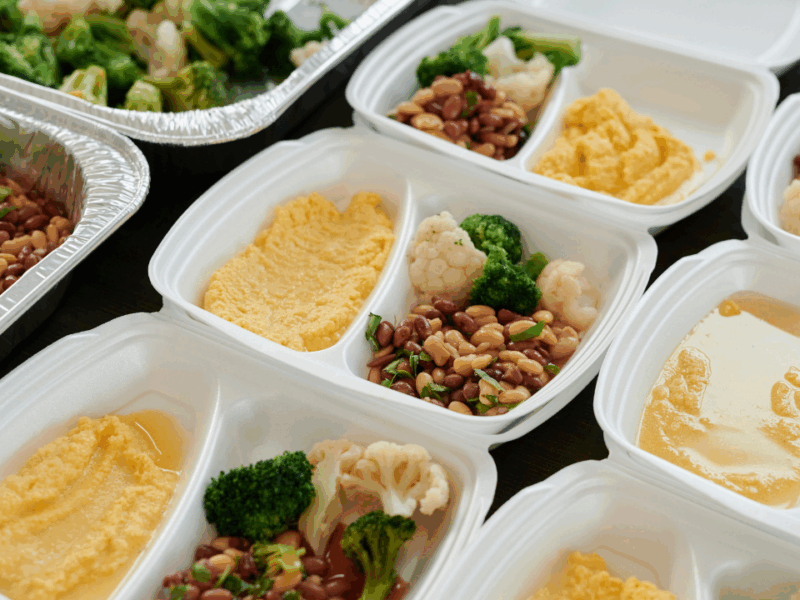
Using basic meal formulas can further simplify planning. Pairing a protein with a vegetable and a healthy fat removes guesswork and supports balanced nutrition without unnecessary stress.
Meal planning works best when expectations are realistic. The goal is not perfection but sustainability. Plans should evolve over time and adapt to your needs, offering support rather than adding pressure.
Smart Grocery Planning for Physical Limitations
Grocery shopping can be physically demanding. Creating short, targeted shopping lists helps limit time spent in the store and reduces unnecessary movement. A focused list saves both time and energy.
Grocery delivery and pickup services are also valuable tools. Ordering online and having items delivered eliminates long trips and the challenge of navigating crowded aisles. These services are widely recognized for their convenience and efficiency.
Choosing pre-cut, frozen, or ready-to-cook foods can further reduce physical strain. These options minimize preparation time while still supporting balanced meals.
Buying staple items in bulk can also be helpful. Stocking up on frequently used foods reduces the need for frequent shopping trips and provides flexibility on low-energy days.
Accessible Cooking Strategies
Cooking does not have to be physically draining. One effective approach is choosing simple recipes that require minimal hands-on time, such as one-pan, one-pot, or slow cooker meals. These meals reduce cleanup and allow food to cook with minimal supervision.
Batch cooking on higher-energy days can also make a big difference. Preparing large portions of soups, stews, or casseroles allows meals to be stored and reheated later, saving effort when energy is limited.
Adaptive kitchen tools can further improve accessibility. Ergonomic utensils and easy-grip gadgets make tasks like chopping and stirring more manageable. Sitting while preparing food is also a practical option. A stool or seated workstation helps conserve energy and improves comfort in the kitchen.
Time- and Energy-Saving Meal Ideas
When energy is limited, simple meal choices help make healthy eating more achievable. For breakfast, options like overnight oats, smoothies, or toast paired with protein provide nourishment with minimal preparation. These meals can be prepared quickly and offer lasting energy.
Lunch can focus on no-cook or minimal-cook options. Salads, wraps, and grain bowls combine simple ingredients without requiring heat, making them easy to assemble and transport.
Dinner is often the most demanding meal, so simple strategies help. One-pan meals, sheet pan dinners, and slow cooker recipes allow for nourishing meals without extended time in the kitchen.
Snacks also play an important role. Easy options such as fresh fruit, vegetables with hummus, or packaged energy bars help maintain energy levels without added effort.
Make Food Work for You
Meal planning is about doing what works for your body. Simplifying meals, using supportive tools, and respecting your energy levels makes healthy eating more sustainable. A well-designed plan reduces stress and fits into real life, even on challenging days.
Want to unlock greater wellness?
Listen to our friends over at the Wellness + Wisdom Podcast to unlock your best self with Dr. John Lieurance; Founder of MitoZen; creators of the ZEN Spray and Lumetol Blue™ Bars with Methylene Blue.





 Paleo for Pups: What It Entails and How to Apply It to Your Dog’s Meal Plan
