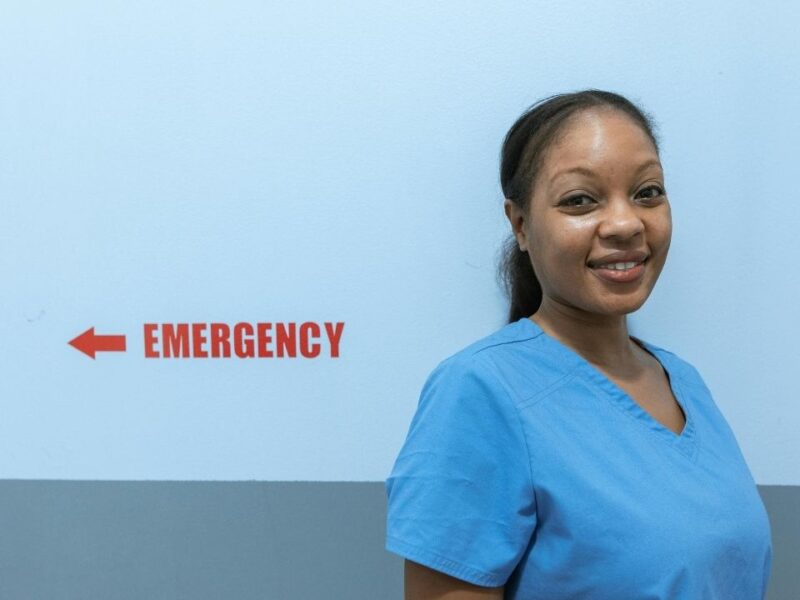
Have you ever watched an emergency unfold and wondered who’s really leading the charge? While doctors often take the spotlight, it’s frequently nurses who step up when every second counts—giving orders, solving problems, and holding the chaos together. That’s not instinct. That’s leadership. And in today’s healthcare system, it matters more than ever.
Nursing leadership doesn’t always come with a title. It shows up in subtle but powerful ways—like noticing a symptom early, guiding a team through crisis, or calming a panicked family. The pandemic made that even more obvious. Nurses aren’t just filling gaps. They’re driving change in policy, public health, and emergency response.
In this blog, we will share how nursing leadership shapes crisis care, the education that supports it, and how the system is starting to recognize the true impact of nurse-led solutions.
When Everything Changes, Nurses Stay Grounded
Crisis doesn’t wait for perfect conditions. Whether it’s a pandemic, a hurricane, or a system outage, hospitals don’t get a heads-up. Yet care has to continue. This is where nurses shine. They’re trained to pivot. To spot patterns. To think on their feet without losing their heads.
Leadership here doesn’t look like a flashy TED Talk or a perfectly organized boardroom meeting. It looks like someone setting up an IV in a power outage with a flashlight between their teeth. Or someone stepping in to help a grieving family when the counselor can’t be reached. It’s leadership by presence, by action, and by deeply earned trust.
That’s why more nurses are choosing to expand their roles beyond bedside care. Advanced degree programs now emphasize leadership as a skill developed through hands-on application, not just classroom theory. Take, for example, a PhD in nurse practitioner studies. This path goes far beyond earning a title. It prepares nurses to design healthcare systems, lead interdisciplinary teams, and translate research into action during critical moments.
These programs often include coursework in health policy, population health, and complex clinical decision-making. Students learn how to evaluate and implement evidence-based interventions, influence institutional practices, and guide strategic responses in high-stakes environments. It’s not just about managing one patient’s crisis. It’s about preparing to lead when an entire system is under stress.
The Difference Between a Good Day and a Bad One
Leadership in a crisis doesn’t mean having all the answers. It means knowing how to ask the right questions. It means organizing chaos without becoming part of it. And in healthcare, where a single delay can cost a life, that mindset is priceless.
Take a common scenario: a rural hospital facing a sudden surge of patients after a nearby chemical spill. Supplies are limited. Staff are stretched. Everyone’s tired. In that moment, a nurse leader steps in—not with panic, but with a plan. They reassign tasks, prioritize care, and make sure communication flows across departments. That leadership isn’t optional. It’s what separates an overwhelmed facility from an effective one.
And it doesn’t stop there. After the moment passes, leaders still have work to do. Follow-up care, documentation, trauma support, and operational reviews all fall into the mix. Nurses with strong leadership training can help systems recover faster and smarter.
That’s why leadership-focused nursing programs are rising in demand. Not just to manage staff, but to drive solutions. The goal isn’t to get away from patient care. It’s to bring sharper insight to the heart of it.
When Nurses Lead, Everyone Wins
Healthcare isn’t just about science. It’s about systems, people, and timing. Nurses are often at the center of all three. They translate technical knowledge into real-time decisions. They read situations with both clinical skill and emotional intelligence. That blend is hard to teach—and even harder to replace.
Yet for decades, nurses were left out of decision-making tables. Leadership was something you moved into after decades on the floor, often with little formal support. That’s changing.
Today, we see more nurses in executive roles, advisory councils, and policy groups. They’re shaping emergency protocols, leading health campaigns, and redesigning care delivery. This isn’t just good for nurses. It’s good for patients. Studies have shown that organizations with strong nurse leadership have lower mortality rates, better communication, and improved staff morale.
And when crises hit, those factors aren’t just perks. They’re lifelines.
Training for Uncertainty
The truth is, no one can predict the next emergency. But we can prepare. And preparation isn’t just stocking up on gear or running drills. It’s investing in people.
Nursing leadership training often includes courses in public health, ethics, health systems management, and interprofessional collaboration. That might sound academic, but it has real-world punch.
Imagine trying to coordinate between a hospital, a city department, and a volunteer rescue group during a flood. If the nurse in charge knows how to speak the language of all three, things move faster. Needs get met. Chaos gets contained.
It’s not glamorous. And it won’t trend on TikTok. But it’s the difference between survival and failure.
Leadership Is a Team Sport
It’s easy to romanticize leadership as a solo act. One brave nurse pulling a hospital through disaster by sheer will. But the truth is, leadership is collaborative. No one does this alone. Great nurse leaders know how to lift others up, delegate wisely, and create space for other voices.
They know that a burnt-out team is a dangerous team. That clear communication is worth more than perfect plans. And that leadership isn’t about ego. It’s about responsibility.
During the early COVID-19 surges, we saw this clearly. Nurse managers fought for better PPE. ICU teams restructured overnight. Senior nurses mentored newer staff through trauma and grief. These weren’t headline moments. But they saved lives.
The Future Is in Their Hands
As our world faces more complex health challenges—climate change, public health threats, aging populations—the need for strong, prepared nurse leaders will only grow. And not just in traditional settings. We need them in tech, in policy, in global health. Anywhere decisions are made that affect people’s ability to survive and heal.
This shift is already happening. More students are entering programs that prepare them for leadership earlier. More employers are recognizing the strategic value of nurse-led teams. And more nurses themselves are stepping up, not out of obligation, but because they know they can.
Because when disaster strikes, it’s not just about the medicine. It’s about who shows up first. Who makes the calls. Who steadies the room.
And more often than not, that person wears scrubs.
Want to unlock greater wellness?
Listen to our friends over at the Wellness + Wisdom Podcast to unlock your best self with Dr. John Lieurance; Founder of MitoZen; creators of the ZEN Spray and Lumetol Blue™ Bars with Methylene Blue.





 BAR Setting Fall Dessert- Apple Pie Bars
