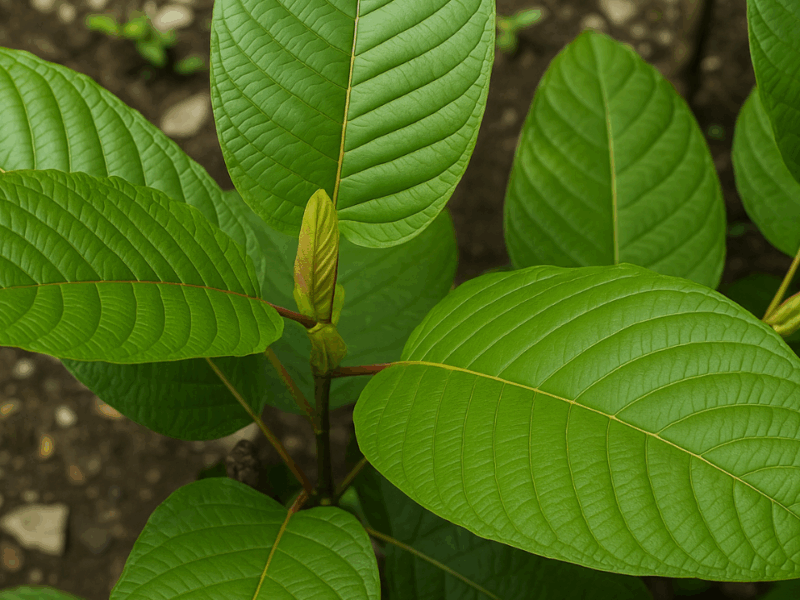
Kratom has become famous globally due to the huge variety of strains, each having a different personality. Among them red jongkong kratom is usually promoted for its unique characteristics. The strain comes from JongKong, Indonesia, a region of fertile grounds and age-old kratom farming practices. Although numerous red strains are available, JongKong is unique due to aspects beyond its name or color. It’s about where it is made, but also the way it is cultivated, collected, and appreciated by those who want something extraordinary out of their kratom.
To understand why people enjoy Red JongKong Kratom, let’s explore seven key characteristics that set it apart.
The Origins Of Red JongKong Kratom
As with most plants, kratom is heavily influenced by its surroundings. Indonesia’s JongKong region offers a natural environment in which kratom trees flourish. The hot temperatures, extensive rainfalls, and fertile soil work together to create leaves with characteristic traits. Kratom trees have been used by generations of farmers in the area, so the cultivation practices aren’t hurried or trial-and-error based; they’re experience-based.
This deep link between land, tradition, and practice gives Red JongKong a look of authenticity. When people discuss it, they aren’t merely describing a product; they’re identifying a strain that corresponds to its environment and history.
1. Distinct Regional Identity
There’s a story behind every kratom strain, and Red JongKong’s story starts with where it was born. While there are strains cultivated in a range of regions and marketed more broadly, this one is closely associated with JongKong, Indonesia itself.
The “regional identity” is significant because varying soil types, rain patterns, and farming practices provide different alkaloid balances. To the user, this translates to Red JongKong not being easily substitutable with other strains such as Red Bali or Red Thai. It has a character that speaks of its origin, much like coffee from Ethiopia is distinct from Colombian coffee, even though both may be of high grade.
2. Carefully Matured Leaves
One of the reasons Red JongKong is distinguished is the stage at which its leaves are picked. This variety is mostly picked from mature leaves that are indicated by deeper red veins. Mature leaves tend to have a more well-balanced alkaloid composition than young leaves.
Farmers here understand the value of timing. Early harvesting can lead to weaker leaves, and delaying too long risks spoilage. Waiting until the leaves are mature guarantees consistency and provides Red JongKong with depth that younger strains will not always provide.
3. Traditional Drying Methods
Harvesting is just the beginning. The way the leaves are dried has a direct influence on how the final product turns out. Red JongKong benefits from traditional drying methods that use a blend of sun and shade drying.
Why is this significant? Sun drying increases some of the natural processes in the leaves, whereas shade drying prevents overheating and preserves sensitive compounds. Both combine to provide the balance that encompasses the qualities that correlate with red varieties. JongKong farmers frequently refer to drying as both an art and a science that is handed down from one generation to the next. This meticulous practice adds significantly to what consumers ultimately receive.
4. Well-balanced Alkaloid Structure
One of the most discussed features of Red JongKong is its alkaloid content. As alkaloid levels can differ from one batch to another, users tend to describe this plant as well-balanced—neither too strong nor too dull.
This makes Red JongKong desirable for those who like consistency. Some strains, like Red Maeng Da, are sometimes referred to as strong and quick, while others, such as Red Bali, feel heavier. JongKong, however, falls somewhere in between.
5. Longstanding Local Knowledge
Behind each batch of Red JongKong is not only a tree but the hands of seasoned farmers as well. In JongKong, growing kratom is more than an agricultural practice—it’s part of the community’s heritage and way of life.
Most families have been growing kratom for generations. The methods they employ aren’t directly drawn from textbooks or contemporary agricultural manuals; they’re honed through experience.
6. Consistency in Quality
Variability is something that users tend to mention. Different batches will feel somewhat different from one another, even if they bear the same strain name. Red JongKong, though, is commonly cited as being very consistent.
Because it is grown from a certain area and because growers adhere to ancient harvesting and curing traditions, its overall character doesn’t shift as wildly as some more generalized-label strains.
7. Its Niche Appeal Among Enthusiasts
Unlike popular strains like Maeng Da or Bali, Red JongKong is not a household name among novices. Rather, it’s developed a sort of “insider reputation.”
Experienced kratom users who have sampled several different strains tend to like JongKong for its unique yet consistent personality. This market niche means it’s almost like a secret treasure—something that not everyone is aware of, but those who know will grow very fond of it.
How Red JongKong Compares To Other Red Vein Strains?
To better grasp what sets Red JongKong apart, it is helpful to contrast it with some of the more well-known red vein strains. Red Bali is largely recognized for having depth and is frequently said to be heavy, which speaks to those who desire intensity. Red Maeng Da is frequently touted for being highly potent, bred through selective breeding.
Red JongKong, on the other hand, is less extreme and more balanced. It’s not as intense as Bali but not as sharp as Maeng Da either. Rather, it provides a middle experience influenced by tradition as well as nature’s growing conditions. That makes it a fine option for enthusiasts who crave variety without diverging into either end of the red strain continuum.
Conclusion
Red JongKong Kratom is not merely another variety—it’s the result of environment, heritage, and meticulous cultivation. From its geographical identity and mature leaves to its traditional drying method and balanced alkaloid content, it possesses characteristics that differentiate it.
What’s so special about it is the way these pieces work together: the ground defines the trees, the farmers define the leaves, and the consumers appreciate the virtue of consistency and legitimacy. Sure, it might not be as popular as other varieties, but that’s what makes it special. Red JongKong is a testament to the fact that sometimes the best discovery isn’t the biggest or the most popular, but one with a tale to tell. For kratom users who appreciate balance, heritage, and a dash of individuality, Red JongKong still remains its own niche in the vast universe of strains.
Want to unlock greater wellness?
Listen to our friends over at the Wellness + Wisdom Podcast to unlock your best self with Dr. John Lieurance; Founder of MitoZen; creators of the ZEN Spray and Lumetol Blue™ Bars with Methylene Blue.



 Spider Veins Demystified: Causes, Risk Factors, and Treatment
